GPS trackers for cats: finding the right size, battery life, and privacy protection for outdoor felines
GPS tracker for cats: a practical buyer’s guide to what actually matters
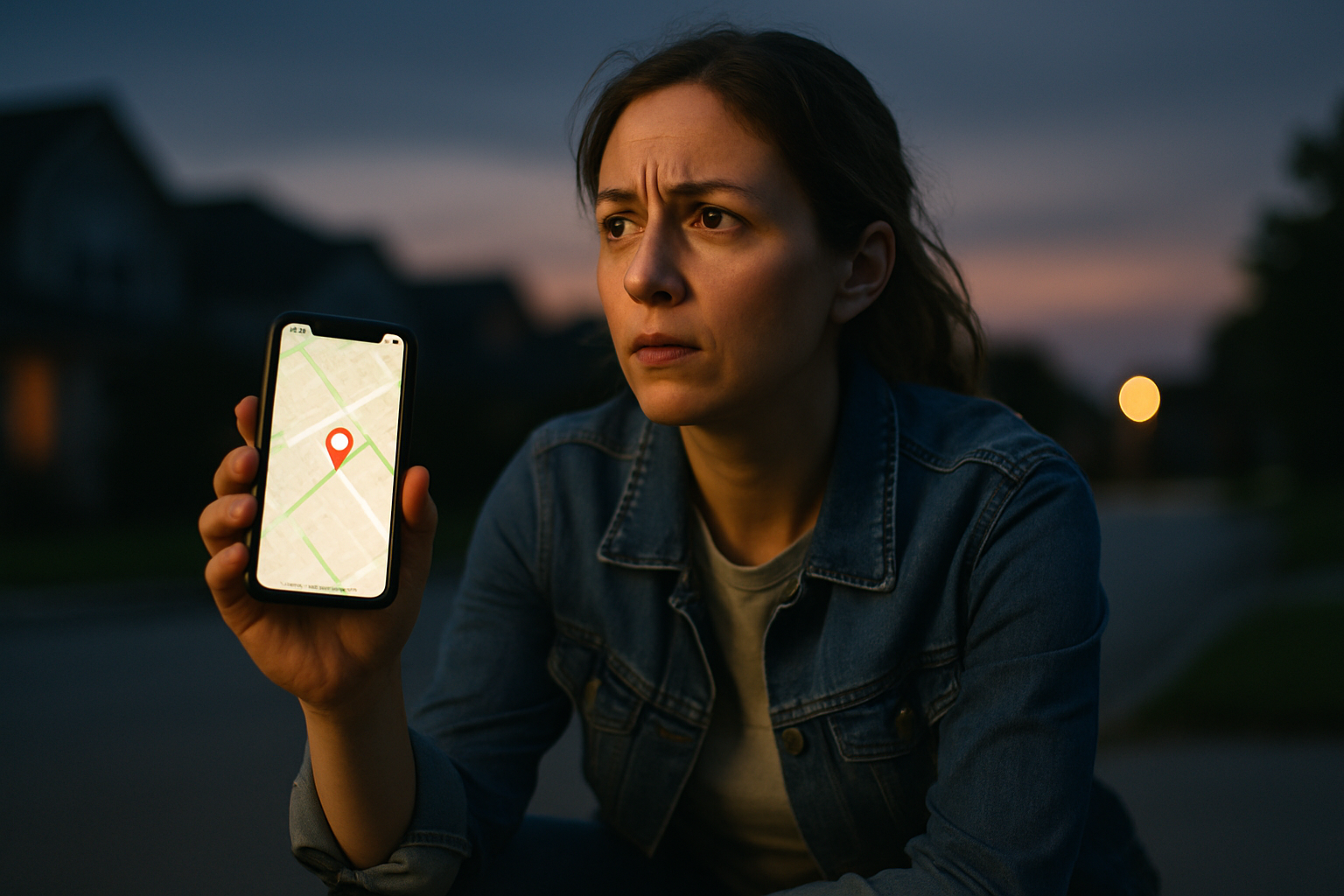
If your cat slips out the door and doesn’t come home by dinner, a GPS tracker is the difference between refreshing a map on your phone and walking the neighborhood shaking a treat bag. But cats are a harder tracking problem than dogs or vehicles. They’re small, fast, low to the ground, and prone to squeezing into places where signals struggle. A tracker that works beautifully on a Labrador can be too heavy, too bulky, or too battery-hungry for a nine-pound cat.
This guide skips the ranked product lists and focuses on the decisions that actually determine whether a GPS tracker for cats works when you need it: how much it weighs, how it attaches, how long the battery lasts, how accurate the location really is, and who can see your data. If you own an outdoor or indoor-outdoor cat and the thought of losing them keeps you up at night, this is written for you.
What a GPS tracker for cats does
A GPS tracker for cats is a small device that attaches to your cat’s collar and reports its location to your phone. Open an app or a map in a browser, and you see where your cat is right now, usually as a pin on a map you can zoom into. Most trackers also keep a location history, so you can see where your cat has been roaming.
The value is simple: instead of guessing, you get a direction to walk in. For owners of cats that come and go through a pet door or spend afternoons prowling the yard and beyond, a live location removes the worst part of a missing pet — not knowing whether to search the next street over or the woods a half-mile away. It won’t stop a cat from wandering, but it turns a panicked search into a focused one.
How GPS trackers work, and how they differ from Bluetooth and RFID
Not every “tracker” tells you where your cat is. Understanding the technology prevents an expensive mistake.
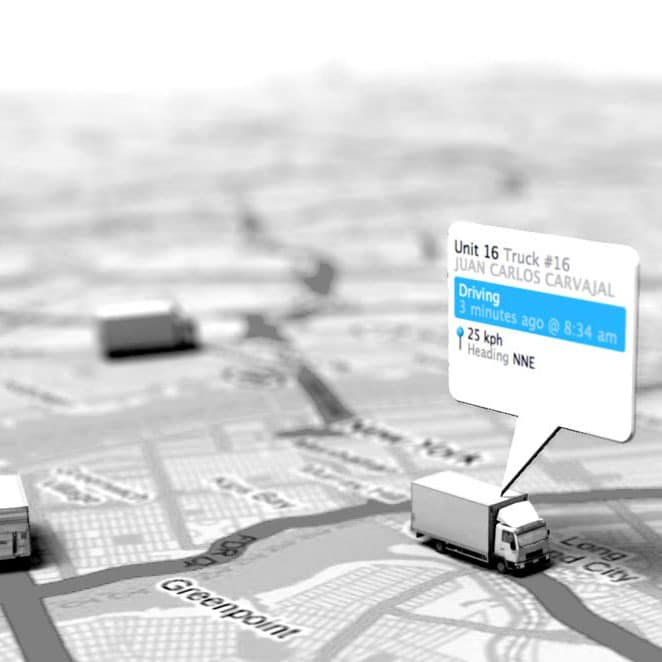
GPS trackers use satellites to calculate the device’s position, then send that position to your phone over a cellular network. Because they piggyback on cell coverage, they report location from anywhere the network reaches — down the block or across town. This is the only technology that lets you actively follow a moving cat in real time.
Bluetooth trackers — the small tag-style devices — don’t use GPS at all. They only register when your phone, or a stranger’s phone running the same app, passes within roughly 30 to 100 feet. If your cat is hiding under a porch two streets away and no one walks by, the tag goes silent. Bluetooth is fine for finding keys inside a house; it’s not built to locate a wandering animal.
RFID chips and microchips don’t provide location either. A microchip stores an ID number that a shelter or vet can scan if someone brings your cat in. It’s an essential permanent backup, but it does nothing to help you find a cat that’s currently loose. There’s no live map, no direction, no real-time anything.
For genuinely finding a cat on the move, GPS with a cellular connection is the only option that works.
Features that matter most for cats specifically
Tracking a cat is not a smaller version of tracking a dog. A cat’s low body weight, agility, and tendency to squeeze through gaps change which features matter and by how much. Here’s what to weigh before buying.
Device weight and size
Weight is the first thing to check. A common guideline for pet accessories is that a collar and everything on it should stay under a small fraction of the animal’s body weight — for an average adult cat of eight to ten pounds, you want the tracker as light as possible, ideally well under an ounce. A heavy device pulls on the collar, throws off a cat’s balance during jumps, and makes them more likely to fight the collar or refuse to wear it.
Bulk matters as much as grams. A tall or wide unit catches on branches and fences and interferes with the natural, low-slung way cats move and squeeze through gaps. The smaller and flatter the tracker sits against the collar, the more your cat will tolerate it and the less it interferes with normal behavior.
Collar fit and safety
Cats should wear a breakaway collar — one designed to pop open under pressure so the cat won’t hang or choke if the collar snags on a branch or fence. This is non-negotiable for outdoor cats. The trade-off is obvious: a collar that releases to protect your cat can also release and take the tracker with it. Look for a lightweight tracker that adds minimal weight to the breakaway mechanism, and check the collar regularly so you know it’s still on.
Fit the collar so you can slide two fingers underneath comfortably — snug enough not to slip off over the head, loose enough not to restrict breathing. Kittens and growing cats need frequent re-checks, and any cat can lose or gain weight, so make fit part of a monthly routine.
Battery life between charges
For cat owners, charging is where good intentions fall apart. A tracker that needs a top-up every few days invites the exact scenario you bought it to prevent: the device is on the charger, and the cat is out the door. Every hour the tracker isn’t on the cat is an hour of blind spots.
Battery drain is driven largely by how often the device reports its position — frequent, near-live updates use far more power than occasional check-ins. This is where LoneStar Tracking stands apart honestly: our devices are built for battery life measured in years rather than days, with options for up to a decade depending on how often the tracker reports. For a cat owner, that means dramatically less charging to remember and far fewer gaps in coverage. If you want to understand the underlying trade-off, our guide on hardwired versus battery-powered trackers breaks down how power and update frequency interact.
Real-time location accuracy
“Real-time” is a spectrum, not a switch. Trackers report on an interval — every few seconds, every minute, every several minutes — and shorter intervals give you a fresher position at the cost of battery. When you’re actively chasing a cat that’s on the move, you want the ability to increase update frequency temporarily so the map keeps up with the animal.
Accuracy itself depends on the environment. In open areas with a clear view of the sky, GPS can place a cat within a few meters. In dense neighborhoods, tall buildings and fences bounce the signal and widen that margin. Under a deck, inside a shed, or in heavy tree cover, accuracy degrades further. Expect a tracker to get you to the right yard or the right cluster of houses — then your eyes, ears, and a treat bag close the final gap.
Waterproofing and durability
Cats get rained on, walk through wet grass, and wedge themselves into tight, dirty spaces. A cat tracker needs real water resistance, not just splash protection, and a rugged housing that survives being dragged under a fence or scraped along a wall. Check the ingress-protection rating and choose a device built to take abuse, because a small cat tracker will absolutely find every rough edge in your neighborhood.
Is a GPS tracker safe and comfortable for a cat to wear
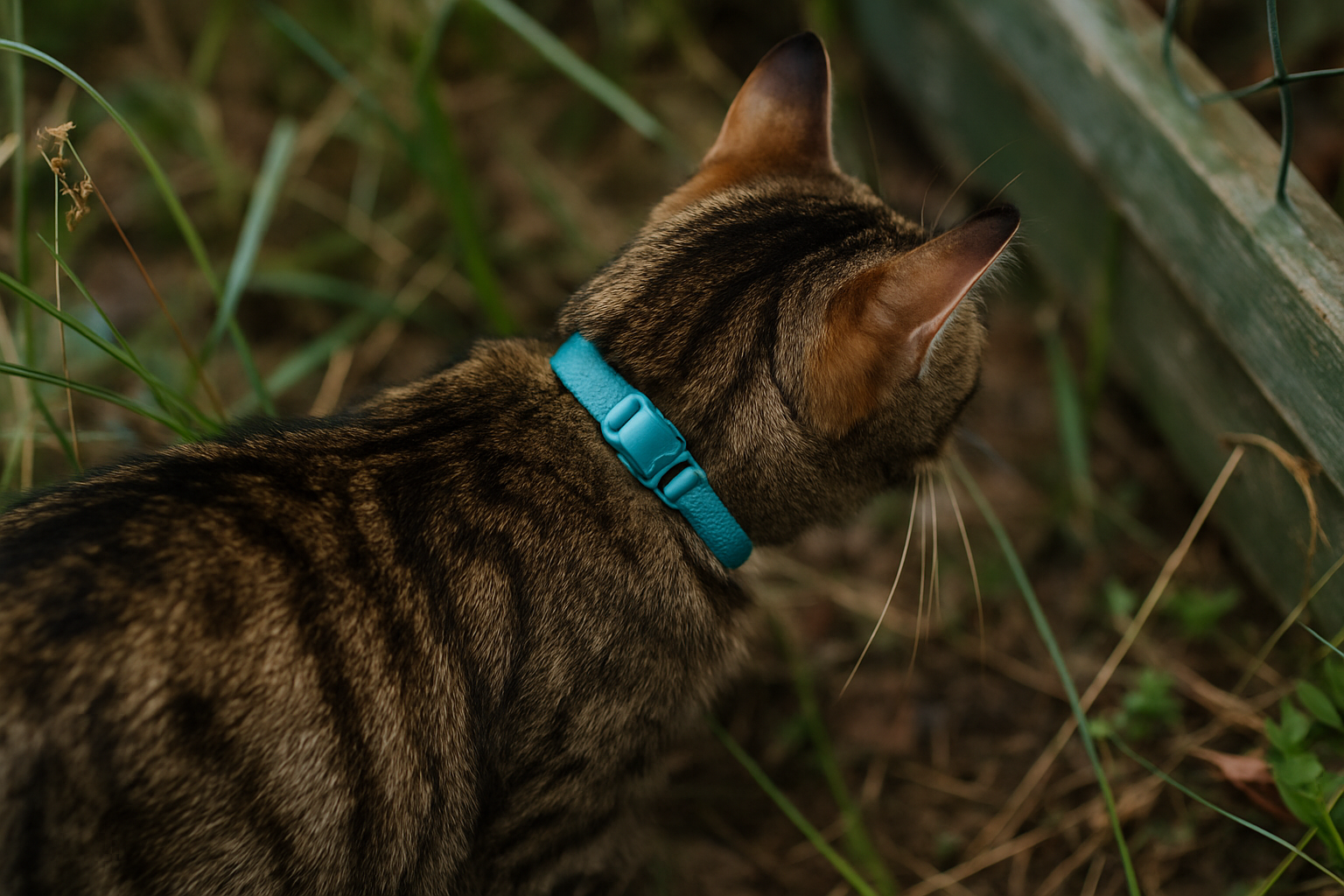
For a healthy adult cat of average size, a properly lightweight tracker on a well-fitted breakaway collar is safe and, after an adjustment period, comfortable. The key is keeping total collar weight low and introducing it gradually.
Let your cat get used to the collar first, without the tracker, for a few days. Then add the device and watch for excessive scratching, flattened posture, or attempts to back out of the collar. Most cats adjust within a week or two; some barely notice.
A tracker isn’t right for every cat. Very small cats and kittens may not have the body mass to carry even a light device comfortably — wait until they’ve grown. Cats that panic at the feel of a collar, or those with skin conditions around the neck, may not be good candidates. Trust your cat’s behavior over any spec sheet.
Why battery life matters more than buyers expect
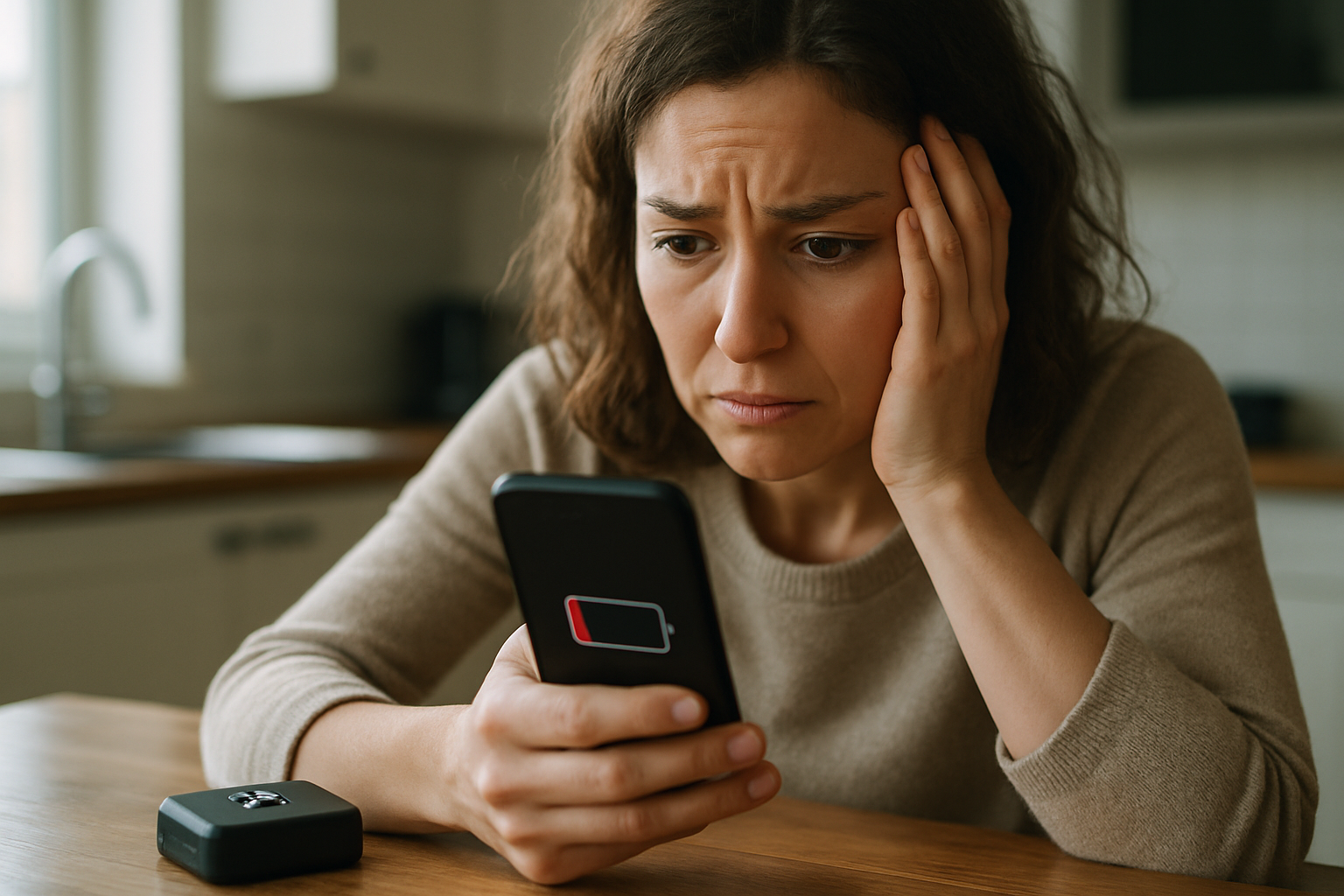
It’s tempting to treat battery life as a convenience feature. It’s actually a reliability feature. A tracker that dies at the wrong moment doesn’t just miss one location — it misses the one location that mattered, on the night your cat didn’t come home.
Fewer charge cycles also means the tracker is on the cat more of the time. Every removal to charge is a chance to forget to put it back on. A multi-year battery removes that failure point almost entirely and cuts the ongoing maintenance to near zero over the life of the device. When you’re comparing trackers, don’t read “long battery life” as a nice-to-have — read it as fewer blind spots.
Why data privacy and encryption matter
A pet tracker is, in effect, a continuous record of where you live and how you move. The device sits at your home most of the day, so its data reveals your address, your routines, and when the house is likely empty. That’s sensitive information, and not every tracker treats it that way.
If location data isn’t encrypted, it can be intercepted, exposed in a breach, or, with some services, packaged and sold. The convenience of tracking your cat shouldn’t come at the cost of broadcasting your household’s patterns. LoneStar Tracking encrypts all location data end to end — we’re the only company that does this across the board — precisely because a tracker’s data footprint reaches well beyond the pet wearing it. If you want the fuller picture, we cover this in depth in how your phone quietly shares GPS data.
Accuracy in the real world
In open rural land with an unobstructed sky, GPS is at its best and will point you to a small area. The challenge in the country is coverage — remote areas can have weak cellular signal, which delays how quickly a position reaches your phone. If you live somewhere with spotty service, it’s worth reading up on cellular versus satellite trackers to understand which will actually report from where your cat roams.
In dense urban and suburban areas, coverage is usually strong, but buildings and fences reflect signals and reduce pinpoint accuracy. Indoors, GPS struggles badly — thick walls and roofs block the satellite signal, so a cat hiding inside a shed or under a house may show as a general area rather than an exact spot.
To get the best results when searching: bump up the update interval so the map refreshes quickly, move toward the reported location and let it refine as you close in, and use the last known position as your starting point rather than a guarantee. Combine the map with calling, listening, and searching low, dark spaces where cats hide.
Cost and subscription considerations
Two costs come with any cellular GPS tracker: the device itself and the ongoing service. Because the tracker uses a cellular network to send locations, that connection almost always requires a subscription — this is normal and unavoidable for real-time tracking, unlike Bluetooth tags that use no network. Dog owners often ask about avoiding fees entirely; our subscription-free dog tracker guide explains why true live tracking generally involves some recurring cost.
When comparing options, look at total cost of ownership over several years, not just the sticker price. A cheaper device with a pricier plan can cost more over three years than a better-built unit with a reasonable subscription — and a longer battery life reduces hidden costs like replacement and the aggravation of constant charging.
Limitations and how to get the best results
No tracker guarantees you’ll get your cat back. It’s a tool that stacks the odds in your favor, not a safety net that catches every scenario. Coverage gaps, a drained battery, or a collar that breaks away and gets left behind can all leave you without a signal at the moment you need one.
To get the most out of a GPS tracker for cats:
- Fit the breakaway collar correctly and check it monthly for wear and fit.
- Keep the battery charged, or choose a long-life device so it’s rarely off the cat.
- Test the tracker and app before you rely on it, so you know how to increase update frequency in a real search.
- Layer your protection: keep your cat microchipped and wearing a visible ID tag. The chip helps a shelter reunite you if the collar is lost; the GPS helps you find your cat while they’re still on the move.
Used together, these give a wandering cat the best possible chance of coming home — and give you a plan instead of panic.
How much does a GPS tracker for cats weigh, and is it safe for my cat?
Good cat trackers are very light, typically well under an ounce, and are safe for a healthy adult cat when paired with a properly fitted breakaway collar. Keep total collar weight low, introduce it gradually, and watch your cat’s behavior during the first week or two.
How long does the battery last on a cat GPS tracker?
It varies widely by device and by how often the tracker reports its location. Frequent, near-live updates drain power fastest. LoneStar Tracking builds for battery life measured in years — up to a decade depending on update frequency — so you spend far less time charging and have fewer coverage gaps.
How accurate is a GPS tracker for finding a cat?
In open areas with clear sky and good coverage, GPS can locate a cat within a few meters. Dense neighborhoods and tree cover widen that margin, and indoor hiding spots degrade the signal. Expect the tracker to get you to the right area, then use your eyes and ears to close the gap.
Do cat GPS trackers require a monthly subscription?
Almost always, yes. Real-time GPS trackers send locations over a cellular network, and that connection requires a service plan. Bluetooth tags avoid fees but can’t provide live location. Compare total cost over several years, including both device and subscription.
Why does data encryption matter for a pet tracker?
Because the tracker records where you live and when you’re home, its data reveals sensitive patterns about your household. Unencrypted location data can be intercepted, exposed, or sold. LoneStar Tracking encrypts all location data to keep that information private.
Can a GPS tracker work for an indoor cat?
GPS signals weaken indoors, so a tracker may only show a general area while your cat is inside. It’s most useful for indoor-outdoor cats or as a safeguard in case an indoor cat escapes — you’ll get a usable location once they’re outside with a clear view of the sky.