
GPS tracking for equipment rental companies: recovering unreturned rentals and tracking utilization
GPS tracker for equipment: a buyer’s guide for construction, trades, and rental fleets
A skid steer, a utility trailer, a towable generator, a stack of compactors sitting on a job site overnight — these are some of the most stolen and most underused assets a business owns. A GPS tracker for equipment exists to solve both problems at once: it tells you where your gear is, and it tells you whether that gear is actually earning its keep.
But not every tracker sold as an “asset tracker” is built for the realities of heavy equipment in the field. This guide walks through what genuinely matters when you’re tracking machinery, trailers, and high-value tools — and how to separate a real equipment tracker from a vehicle GPS that’s been repackaged.
What a GPS tracker for equipment actually does
An equipment GPS tracker is a device you attach to a high-value asset — a piece of machinery, a trailer, an attachment, or a portable tool — that reports its location and status back to software you can check from a phone or computer. Some also report movement, run time, and battery condition.
For business owners and operations managers in construction, landscaping, equipment rental, agriculture, and the trades, two goals drive almost every purchase:
- Theft prevention and recovery. Equipment theft is common, expensive, and often not covered as fully as owners expect. A tracker deters thieves and gives you a real chance of recovery.
- Utilization insight. Knowing which assets are working, which are idle, and where everything sits helps you schedule better, bill accurately, and buy or rent smarter.
The rest of this guide covers the criteria that actually separate good equipment trackers from bad ones: multi-year battery life, rugged reliability in the field, and encrypted data privacy.
Equipment tracker vs. vehicle GPS tracker: why the difference matters
The single biggest mistake buyers make is assuming a cheap vehicle tracker will do the job. It usually won’t, and the reason comes down to power.
A vehicle GPS tracker is designed to draw constant power from the vehicle’s electrical system. It can report its location every few seconds because it never has to worry about running out of juice. That’s fine for a truck or van — and if that’s your use case, our real-time car GPS guide covers it.
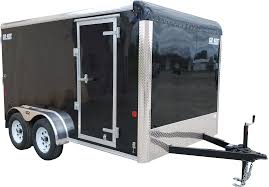
Most equipment and trailers, though, are unpowered. A dump trailer, a light tower, a generator sitting in the yard, or a skid steer parked for the weekend has no continuous power source for a tracker to tap. Bolt a vehicle-style tracker onto one of these and its battery drains in days or weeks, leaving you to recharge it constantly — or worse, discovering it’s dead the moment you need it.
Equipment trackers are built differently. They’re engineered for infrequent reporting and long standby, so a single battery can last for years. They’re also built to survive vibration, dust, water, and temperature swings that would kill a consumer device. A cheap vehicle tracker zip-tied to a skid steer typically fails on all three fronts: power, durability, and signal.
Features that matter most for tracking equipment
When you’re comparing trackers, focus on the features that reflect how equipment is actually used:
- Multi-year battery life for unpowered assets, so you’re not constantly swapping or charging.
- Rugged, weatherproof housing with a strong IP rating and vibration resistance — job sites and fields are brutal environments.
- Reliable cellular and GPS coverage, including remote sites, rural fields, and storage yards where signal can be weak.
- Configurable reporting intervals, so you can dial detail up or down to balance visibility against battery drain.
- Encrypted data and privacy protection, so your location and operational data can’t be intercepted or exposed.
- Capable software with geofencing, alerts, and utilization reporting you’ll actually use.
The longest feature list rarely wins. Reliability, battery life, and data security do.
Battery life: why up to 10 years changes the math
Battery life sounds like a spec-sheet detail until you multiply it across a fleet.
Because unpowered assets can’t recharge a tracker, the battery is your only lifeline — and its lifespan directly determines your maintenance burden. A tracker that lasts six months means someone has to locate, access, and service every device twice a year. Across dozens or hundreds of assets spread over multiple sites, that’s real recurring labor, and every dead tracker is a blind spot until it’s noticed.
Reporting frequency is the biggest factor in real-world battery performance. A tracker that pings every few minutes will burn through a battery far faster than one reporting a few times a day. Good equipment trackers let you tune this per asset — frequent updates on a high-theft-risk item, once-a-day check-ins on a trailer in long-term storage.
This is where long-life hardware changes the equation. LoneStar Tracking’s batteries last up to 10 years, which for many assets means you install the tracker once and never touch the battery again for the life of the equipment. Fewer replacements means lower total cost of ownership, fewer blind spots, and far less labor spent chasing dead devices.
Wired vs. battery-powered trackers for different equipment
There are two broad tracker types, and the right choice depends on the asset.
Wired (hardwired) trackers connect to a machine’s battery or ignition. They’re best for powered equipment because a constant power source lets them report frequently and capture richer data — including run time and ignition on/off, which are gold for utilization and maintenance scheduling. The trade-off is a more involved installation.
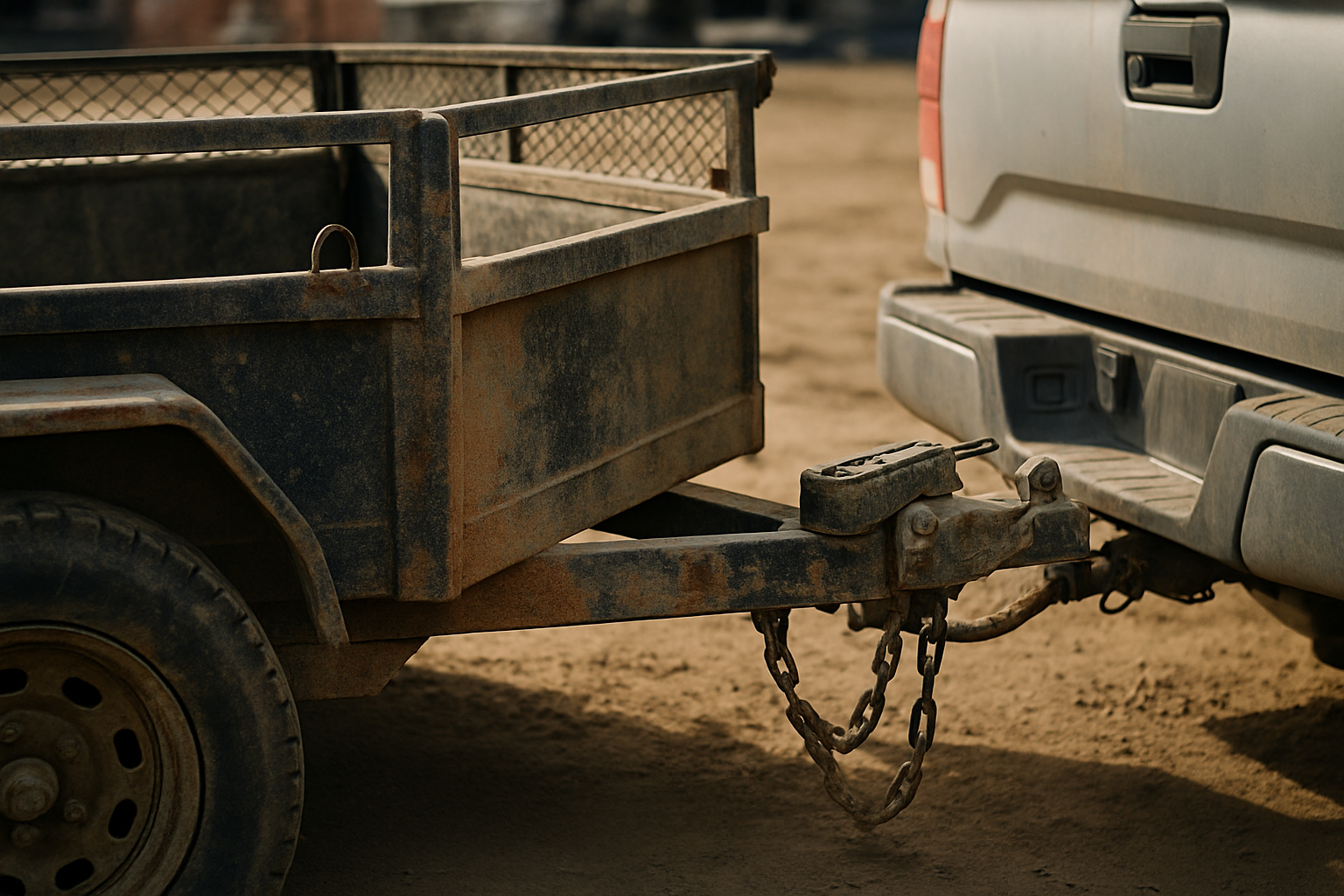
Battery-powered asset trackers are self-contained and need no wiring. They’re the right call for trailers, generators, attachments, and machinery that sits idle for stretches. Installation is simple, but you rely on battery life and the data is location-focused rather than engine-level.
Guidance by asset type:
- Heavy machinery (excavators, skid steers, tractors): wired trackers where you want run-time data; battery trackers where install access or downtime is a concern.
- Trailers and towable assets (dump trailers, light towers, generators): battery-powered trackers, since they’re unpowered by nature.
- Small equipment and attachments (compactors, breakers, augers): compact battery trackers.
- Seasonal assets that sit for months: long-life battery trackers with infrequent reporting.
Most real fleets mix both — wired units on the powered iron, battery units on everything else. Our construction equipment tracking guide goes deeper on matching trackers to specific machinery.
Preventing theft and recovering stolen equipment

Equipment theft usually follows predictable patterns, and a tracker is built to interrupt them:
- Overnight job-site theft. Gear left on an active site is a target after dark. A movement alert fires the moment an asset leaves where it should be.
- Trailer hitching. A trailer can be hitched and towed away in under a minute. A geofence exit alert tells you immediately.
- Weekend removals. Thieves know a yard sits quiet from Friday to Monday. After-hours movement alerts catch what nobody’s watching for.
The workflow that recovers equipment looks like this: you get an alert, you open the app, and you share the asset’s real-time location with law enforcement. Live coordinates dramatically improve the odds of recovery compared to a report filed hours later.
Two practical points. First, conceal the installation — a tracker a thief can find and rip out is worthless, so hide it where it isn’t obvious. Second, tracking often acts as a deterrent and may support insurance considerations; ask your insurer whether GPS tracking affects your coverage or premiums.
Tracking software, geofencing, and alerts
The hardware collects the data; the software is where you use it. A solid platform gives you:
- A live map of every asset, plus location history and reporting you can pull up on demand.
- Geofencing — virtual boundaries around job sites, yards, and rental return zones — so you’re alerted when an asset crosses a line it shouldn’t.
- Alerts for movement, low battery, geofence entry and exit, and unauthorized use, delivered by push or email.
- Utilization and idle-time reports that show which assets are working and which are collecting dust, so you can rebalance, rent out, or sell.
- Mobile access and multi-user permissions, so field supervisors, dispatchers, and owners each see what they need without stepping on each other.
If you also run a vehicle fleet, many of these same principles carry over — our fleet GPS tracking guide covers the vehicle side in detail.
Why data encryption and privacy matter
Most tracker roundups ignore this entirely, and that’s a mistake.
Your location data is business intelligence. It reveals where your crews work, which sites hold the most valuable machinery, when assets are unattended, and even the addresses of clients. In the wrong hands, that information is a roadmap — for a competitor, or for a thief.
If that data travels unencrypted, it can be intercepted or exposed. Encryption protects your competitive and operational information end to end, so your patterns stay yours. This isn’t hypothetical; the way location data quietly moves through networks is worth understanding, and we cover it in how GPS data privacy actually works.
LoneStar Tracking is the only provider that encrypts all of your data, because we treat your location information as private by default. When you evaluate any vendor, ask directly: Is my data encrypted in transit and at rest? Who owns it? Is it ever sold or shared? Can I export and delete it? The answers tell you how seriously a company takes your privacy.
Costs and ongoing fees to expect
Equipment tracking has two cost layers, and you should understand both before buying.
Upfront hardware is a one-time cost per unit that varies by type. Rugged, long-life battery trackers and hardwired units with richer data generally cost more than bare-bones devices — and usually earn it back in reliability.
Subscription or data plan fees cover the cellular connection and software access. Confirm exactly what’s included: live tracking, history depth, alert types, number of users, and support.
Here’s the offset most buyers miss: long battery life slashes long-term maintenance cost. A tracker you service once a decade is far cheaper to own than a cheap one you’re recharging every quarter, even if the sticker price is higher.
Weigh the total against the alternative. A single prevented theft — or one piece of idle equipment you finally put back to work — often covers years of tracking cost. Before you sign, clarify contract length, cancellation terms, and any activation or overage fees so there are no surprises.
Installation and maintenance across equipment types
Installation depends on tracker type.
Battery trackers are the simplest: mount them with a strong magnet or fasteners, positioned so they’re hidden from view but have a clear line to the sky for signal. Choose a weatherproof spot that won’t collect standing water or take direct impact.
Wired trackers connect to a machine’s power. Basic installs are manageable for a capable technician, but for expensive machinery or warranty-sensitive electrical systems, use a professional to avoid mistakes.
For any tracker, positioning drives signal quality. Deep inside a steel cavity, GPS and cellular reception suffer. Aim for placement with as much open sky exposure as the concealment requirement allows.
Routine maintenance is light but worthwhile: periodically check battery status in the software, apply firmware updates, and confirm the tracker is still securely mounted. The beauty of long-life devices is how little of this you have to do — a 10-year battery removes the single most frequent maintenance task from the list.
How to choose the right equipment tracker for your business
Bring it together with a simple process:
- Inventory your assets. List everything worth tracking and tag each as powered or unpowered, note its value, and rate its theft risk.
- Match tracker type to each category. Wired units on powered machinery where you want run-time data; long-life battery trackers on trailers, generators, attachments, and idle iron.
- Prioritize the fundamentals. Reliability, battery life, and encrypted data matter more than the longest feature list. A tracker that’s dead, damaged, or leaking your data helps no one.
- Plan for growth. Choose a platform and vendor that scale as your fleet expands, so you’re not re-buying in two years.
- Run a quick decision checklist: Does the battery last long enough for the asset? Is the housing rugged enough for the environment? Is coverage reliable at your sites? Is the data encrypted? Does the software do geofencing, alerts, and utilization? Are the fees clear?
If you can answer yes across that list, you’ve found a tracker that fits the way equipment actually gets used.
How long should the battery last on an equipment GPS tracker?
For unpowered assets, aim for years rather than months, since you can’t easily recharge in the field. LoneStar Tracking batteries last up to 10 years, which for many assets means installing once and never touching the battery again. Actual life depends on how often the device reports.
Can I use a vehicle GPS tracker to track my trailers and heavy equipment?
You can, but it usually disappoints. Vehicle trackers expect constant power and report very frequently, so on an unpowered trailer or idle machine the battery drains fast and needs regular recharging. A purpose-built equipment tracker with multi-year battery life and rugged housing is far better suited to the job.
How much does an equipment GPS tracker cost per month?
Monthly cost comes from the data plan and software subscription, which varies by provider and what’s included. There’s usually a one-time hardware cost as well. Long battery life reduces long-term maintenance spending, and a single prevented theft often covers years of fees. Confirm contract terms and any hidden charges before buying.
Will a GPS tracker help me recover stolen equipment?
Yes. Movement and geofence alerts warn you the moment an asset is taken, and you can share its real-time location with law enforcement to aid recovery. Concealing the tracker so thieves can’t find and remove it makes a big difference in how well this works.
Is my equipment location data kept private and secure?
It should be, but not every provider treats it that way. Your location data reveals sensitive business patterns, so encryption matters. LoneStar Tracking encrypts all of your data — the only company to do so — and you should ask any vendor whether data is encrypted, who owns it, and whether it’s ever shared or sold.