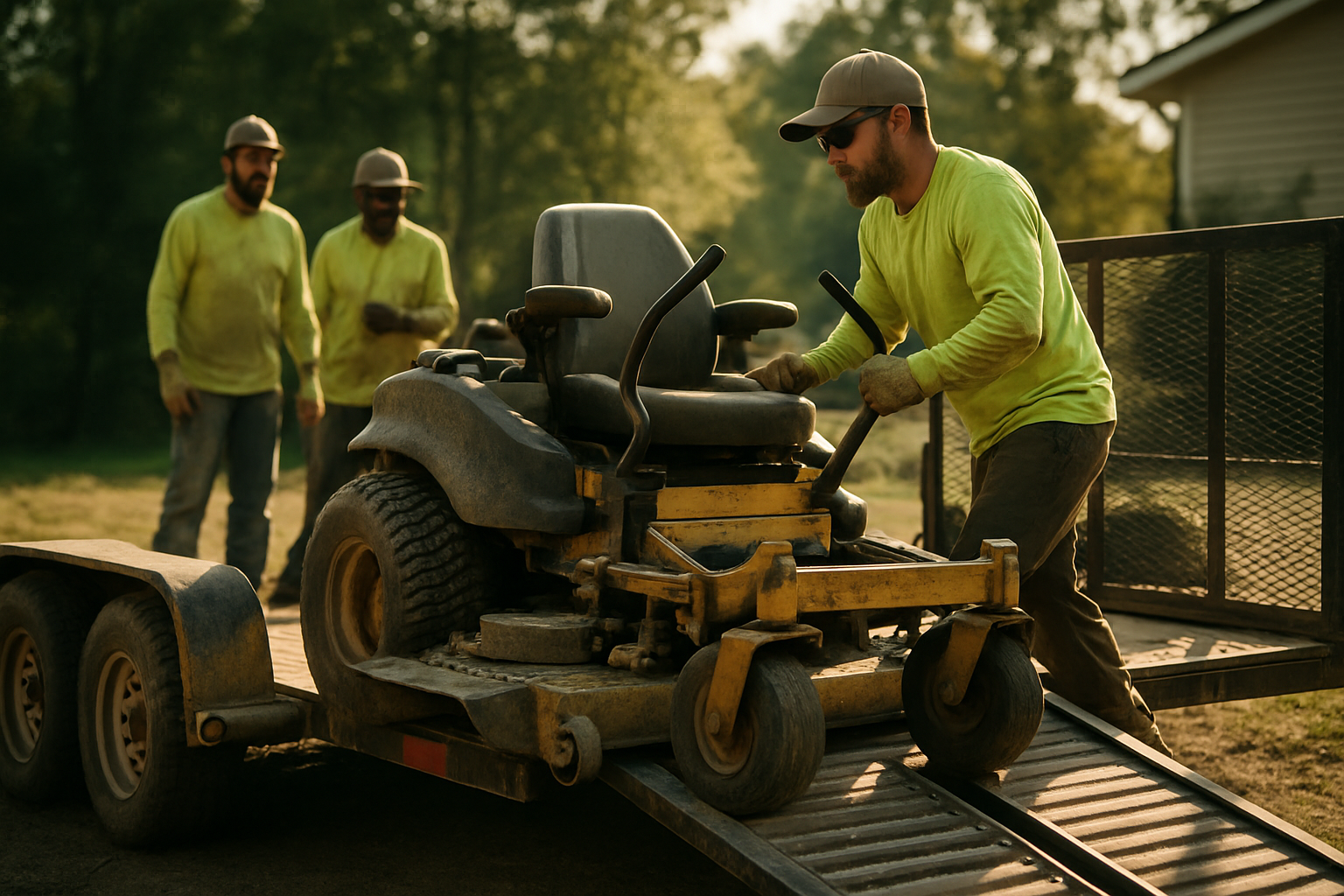
GPS tracking for landscaping crews: recovering stolen zero-turn mowers and trailers
Small equipment tracking devices: a practical buyer’s guide for portable assets
Losing a generator, a trailer full of tools, or a rented mini-excavator isn’t just an inconvenience. It’s downtime, replacement costs, and sometimes a job you can’t finish on schedule. Yet most GPS buying advice treats equipment tracking as an afterthought, lumping it in with car and personal trackers. Portable gear has its own set of problems, and the right device solves them.
This guide focuses narrowly on small equipment tracking devices: what they are, which features actually matter for gear that can’t be plugged into a power source, and how to choose and install one for your business. Battery life and data security get the attention they deserve, because for unpowered assets, those two factors decide whether tracking works at all.
What small equipment tracking devices are and why they’re different
Small equipment tracking devices are compact GPS units built to monitor portable, high-value gear rather than vehicles. They report location, movement, and sometimes tamper events so you always know where an asset is and whether it has moved without permission.
The difference from a vehicle GPS tracker comes down to power and placement. A vehicle tracker can be hardwired into the car’s electrical system and draw power continuously. Equipment can’t. A generator sitting in a yard, a trailer parked between jobs, or a tool chest in the back of a truck has no battery to tap into. That single constraint changes everything about how the device is designed.
Because there’s no constant power, small equipment trackers rely entirely on their own internal battery. They also need to be physically small so they can be hidden inside a tool case, tucked into a trailer frame, or mounted where a thief won’t spot them. Covert placement matters far more here than on a vehicle, where a tracker can sit under the dash.
If you want a deeper comparison of power options, our guide on hardwired vs. battery-powered GPS trackers breaks down when each makes sense. For portable equipment, battery power is almost always the answer.
The rest of this guide focuses on three things that separate a good small equipment tracker from a poor one: size, battery longevity, and data security.
Features that matter most for tracking small and portable equipment
The buying criteria for small equipment differ from vehicle tracking in meaningful ways. Below are the features worth weighing before you spend anything.
Device size and form factor
A small footprint is what makes concealed placement possible. The device needs to fit inside a tool case, along a generator’s inner housing, or within a trailer’s frame rails without being obvious. The smaller and flatter the unit, the more hiding spots you have.
Housing matters too. Equipment lives outdoors, on dusty jobsites, in rain and heat. A rugged, weatherproof enclosure keeps the electronics working through conditions that would kill a consumer-grade device. For lightweight portable gear, weight is also a factor, though most modern trackers are light enough that it rarely affects the equipment’s use.
Battery life for unpowered assets
This is the single biggest constraint for gear that can’t be wired. If the battery dies, the tracker is useless, and you often won’t know it’s dead until you need it most, right when something goes missing.
Short-life trackers force you into a maintenance cycle: recharging or swapping batteries every few weeks or months. Across a handful of assets that’s annoying. Across dozens, it becomes a real labor cost, and every service visit is a chance for a unit to be missed.
LoneStar trackers offer battery life of up to 10 years. For unpowered equipment, that effectively removes the maintenance problem. You attach the device, hide it, and it keeps reporting for years without intervention.
Battery drain depends heavily on how often the device reports. A tracker that pings its location every few seconds burns through power fast. One that reports a few times a day, or wakes up only when the asset moves, can stretch its battery for years. Choosing sensible reporting intervals is how you match battery life to how closely you actually need to watch a given asset.
Attachment and mounting options
How you attach the tracker depends on the equipment. Common methods include magnetic mounts for metal surfaces, industrial adhesive for smooth housings, screw-in brackets for permanent placement, and fully concealed installation inside a cavity or frame.
The goal with theft-prone assets is tamper resistance. A hidden device that a thief never finds keeps reporting even after the equipment is stolen, which is exactly when you need it. Match the attachment style to the equipment: magnets for steel trailers and machinery, adhesive or concealed placement for plastic-housed tools and generators.
Connectivity and coverage
Most small equipment trackers connect over cellular networks, which works well for gear that stays within populated service areas. If your equipment travels to remote jobsites, quarries, or backcountry work zones, cellular coverage can drop out. In those cases, a satellite-capable device may be worth the added cost. Our breakdown of cellular vs. satellite GPS trackers covers where each one actually works.
Look for geofencing and movement alerts as well. A geofence lets you draw a boundary around a jobsite or yard and get notified the moment an asset leaves it. For equipment that moves between sites, network reliability is what ensures those alerts actually reach you.
Data privacy and security
Every time a tracker reports its location, it creates a record of where your assets are and how they move. Unencrypted trackers can expose that information, revealing your jobsites, storage locations, and movement patterns to anyone who intercepts the data.
Encrypted location data protects that business information. LoneStar is the only company that encrypts all of your data, in transit and at rest, because asset movement patterns are sensitive competitive and security information. If you want to understand how location data can leak, our article on how your phone quietly shares GPS data explains the risk in plain terms.
Why battery longevity is critical for unpowered equipment
It’s worth returning to battery life, because it’s where cheap trackers quietly fail you. A short-life tracker introduces a hidden cost: downtime while you service devices, missed alerts when a battery dies unnoticed, and, worst of all, a dead unit at the exact moment theft occurs. A tracker that can’t report is no protection at all.
A 10-year battery keeps assets protected without intervention. You deploy it once and trust it to work for the life of the equipment. That reliability compounds when you scale. Maintaining batteries across five assets is manageable; across a fleet of fifty or a hundred small trackers, frequent battery service becomes a full job on its own. Long-life batteries take that burden off the table entirely.
The lever you control is reporting frequency. More frequent updates mean better real-time visibility but faster battery drain. Less frequent updates extend battery life dramatically. Good tracking software lets you tune this per asset, so a high-theft-risk generator can report often while a rarely-moved trailer checks in less frequently and lasts even longer.
Types of equipment that benefit most from small trackers

Almost any portable, high-value asset is a candidate, but some categories see the biggest payoff:
- Power tools and tool chests — Small, easy to grab, and frequently stolen from job sites and truck beds.
- Generators and compressors — Expensive, portable, and often left unattended overnight.
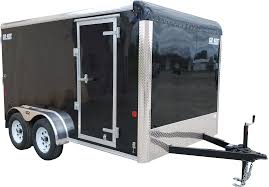
- Trailers and towable equipment — Prime theft targets because they can be hitched and hauled away in seconds.
- Construction and landscaping machinery — Skid steers, mini-excavators, mowers, and similar gear that moves between sites.
- Rental equipment fleets — Where tracking also helps recover unreturned rentals and measure utilization. Our guide to GPS tracking for equipment rental companies goes deeper on that use case.
- High-value portable assets — Anything expensive that’s prone to theft or simply getting misplaced across a busy operation.
For larger machinery specifically, our construction equipment and tools tracking guide covers theft prevention and recovery in more detail.
How location data stays private and secure
Tracking only helps if the data behind it stays in your hands. Two things protect it.
First, encryption. Your location data should be encrypted both in transit, as it travels from the device to the servers, and at rest, where it’s stored. That prevents interception and unauthorized access to your asset movement history.
Second, access controls. You decide who in your organization can view asset locations. Limiting access reduces the chance of sensitive information leaking to competitors or being misused.
Privacy isn’t a nice-to-have here. Your equipment’s movements reveal where you work, where you store valuable gear, and when locations sit empty. Competitors and thieves both benefit from that information. LoneStar is the only provider that encrypts all user data, which is why privacy is built into every device rather than offered as an upgrade.
What small equipment tracking devices cost
Pricing generally breaks into a few parts: the hardware itself, a subscription or data plan that covers cellular or satellite connectivity, and sometimes a one-time activation fee. The subscription is what keeps the device reporting, so factor it into your ongoing budget rather than just the upfront purchase.
Battery life plays directly into total cost of ownership. A cheaper tracker that needs frequent battery service or replacement can cost more over its lifetime than a device with a 10-year battery, once you account for labor and downtime. Look at the full picture, not just the sticker price.
When budgeting across multiple assets, remember that costs scale with device count and data plans. Volume often changes the math, so plan for your full asset list rather than pricing a single unit.
Finally, weigh the device cost against the value of what it protects. A tracker is a small fraction of the price of the generator, trailer, or machine it safeguards, and a single recovered asset can pay for tracking across an entire fleet.
How to choose the right tracker for your business
Work through these steps:
- Match features to your equipment and conditions. A weatherproof, ruggedized unit for outdoor machinery; a small, concealable one for tool chests.
- Prioritize battery life for assets you can’t easily service. The harder an asset is to reach, the more a long-life battery matters.
- Confirm coverage where your equipment travels. Cellular for populated areas, satellite capability for remote sites.
- Verify data encryption and privacy protections. Make sure your location data is encrypted and access is controlled.
- Consider scalability. Choose a system that handles your current asset count and can grow with you without a management headache.
How to install and attach a tracker discreetly
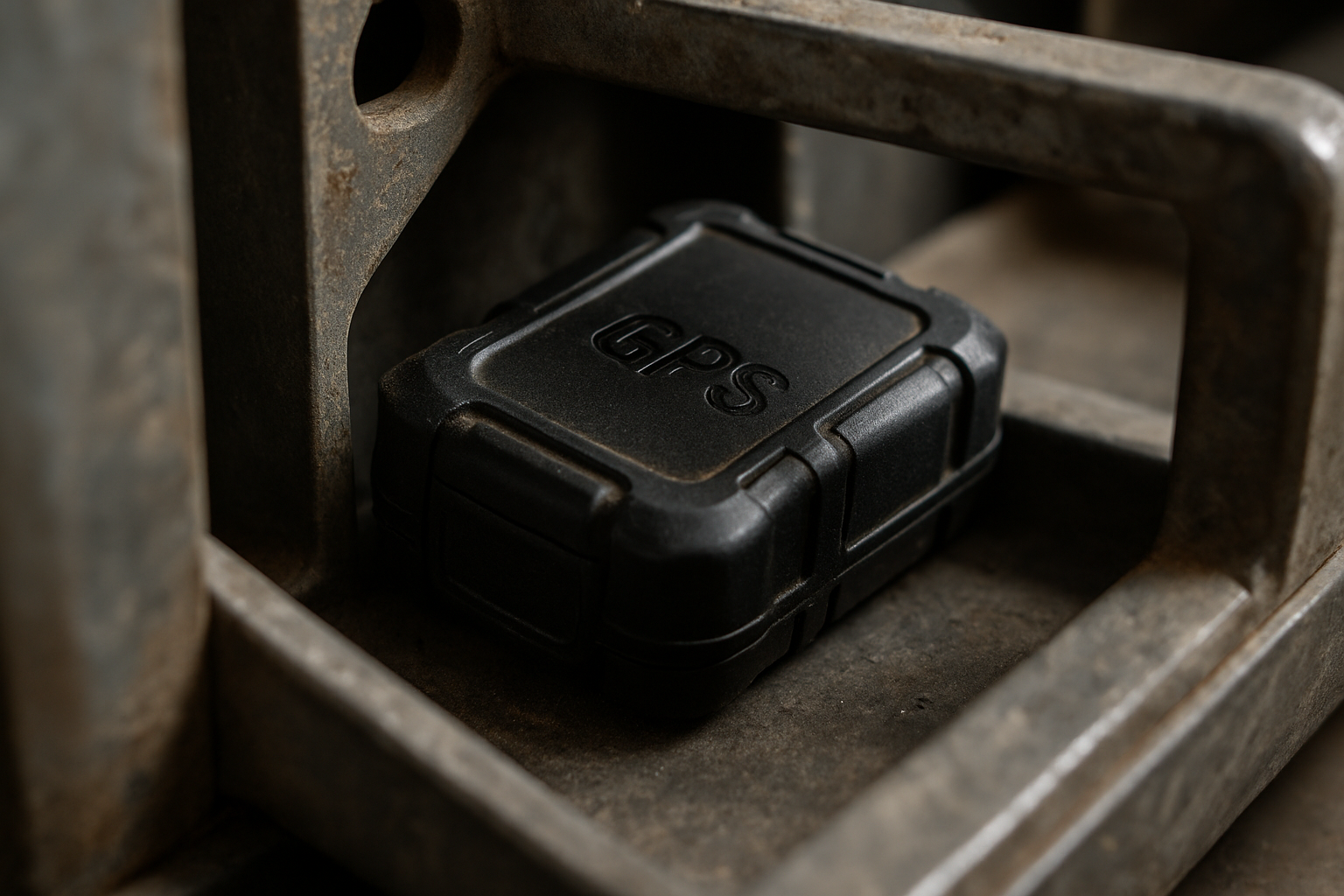
Placement determines how well a tracker resists theft and tampering. A few practical tips:
- Choose concealed, tamper-resistant locations. Hide the device where a thief won’t think to look and can’t easily remove it. A hidden tracker keeps reporting after equipment is stolen.
- Match the mount to the material and surface. Magnets on steel, adhesive on smooth housings, screw-in brackets for permanent placement inside frames or cavities.
- Test signal and reporting after placement. Confirm the device reports its location from its hidden spot before you rely on it. Some enclosed metal spaces can block signal.
- Configure geofences and alerts before deployment. Set your boundaries and movement notifications so protection is active from day one.
- Keep placement consistent across a fleet. Using the same location on similar equipment makes servicing, auditing, and training far easier as you scale.
Frequently asked questions
How long should the battery last on a small equipment tracker?
For unpowered gear, longer is always better. A quality device can run on battery for up to 10 years, which eliminates recharging and swapping across your assets. Actual life depends on how often the device reports, so tuning your reporting interval lets you balance battery longevity against how closely you need to watch a given asset.
How are small equipment trackers different from vehicle GPS trackers?
Vehicle trackers can be hardwired to the vehicle’s battery and often sit in a fixed location under the dash. Small equipment trackers run entirely on their own internal battery, are built in a smaller form factor, and are designed for covert placement on gear that has no power source of its own.
How much do small equipment tracking devices cost?
Costs typically include the hardware, a subscription or data plan for connectivity, and sometimes an activation fee. Devices with longer battery life often cost less over their lifetime because they need little maintenance. Weigh the total cost against the value of the equipment you’re protecting, since one recovered asset can offset tracking costs across many devices.
Is my location data kept private and secure?
It should be. LoneStar encrypts all user data, both in transit and at rest, and access controls let you decide who can view asset locations. This protects sensitive information about where your equipment is stored and how it moves, which matters for both security and competitive reasons.
What types of equipment can I track with a small GPS device?
Power tools and tool chests, generators, compressors, trailers, towable equipment, construction and landscaping machinery, and rental fleets are all strong candidates. In general, any portable, high-value asset that’s prone to theft or misplacement benefits from a small tracker.