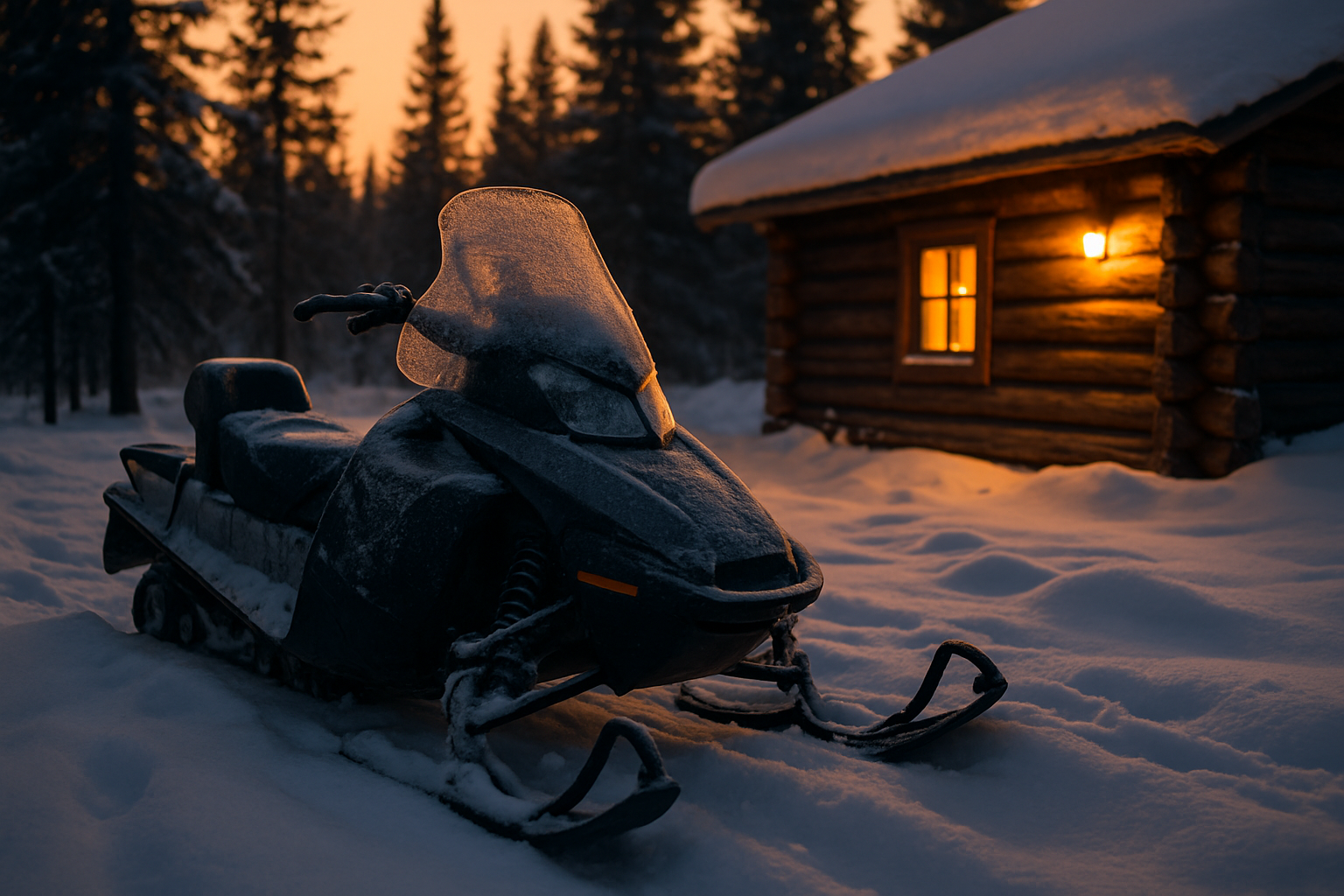
Snowmobiles vanish from garages and trailheads every winter — here’s how GPS tracking gets them back
GPS tracker for snowmobile: what to look for before you buy
A snowmobile is one of the harder machines to protect. It sits parked for months, gets ridden into terrain where cell towers are scarce, and endures cold that would kill most consumer electronics. On top of that, it’s a favorite target for thieves because it loads onto a trailer in seconds and resells fast.
A GPS tracker for a snowmobile has to solve problems that a car or truck tracker never faces. This guide walks through what actually matters for sleds specifically — surviving deep cold, holding a charge through a long off-season, reporting from the backcountry, and giving you a real shot at recovery if it’s stolen — so you can buy the right device instead of a car gadget that fails on the trail.
Why snowmobiles need a different kind of GPS tracker
Most GPS trackers on the market are designed for daily-driven vehicles. Many plug into an OBD-II port or hardwire into a constant 12V source, drawing steady power and reporting every few seconds. A snowmobile breaks nearly every assumption those devices make.
For starters, a sled sits idle for weeks or months at a time. There’s no daily drive to keep a hardwired battery topped up, and no OBD port to plug into. A tracker that depends on constant vehicle power or needs frequent recharging is a poor match for a machine that spends half the year parked.
Then there’s the environment. Snowmobiles live in snow, ice, moisture, and sub-zero air, and they vibrate hard on rough trails. A tracker has to be sealed against all of that. Riders also take sleds into remote areas — backcountry trails, mountain bowls, and cabins far from town — where cell coverage is thin or absent.
Finally, snowmobiles are high-value theft targets. They’re easy to lift onto a trailer, quick to move across state or provincial lines, and simple to resell. The plug-in and short-battery devices marketed for cars simply don’t hold up here. What you want is a rugged, self-powered tracker built for cold, idle, remote-use conditions.
How extreme cold affects GPS trackers and battery life
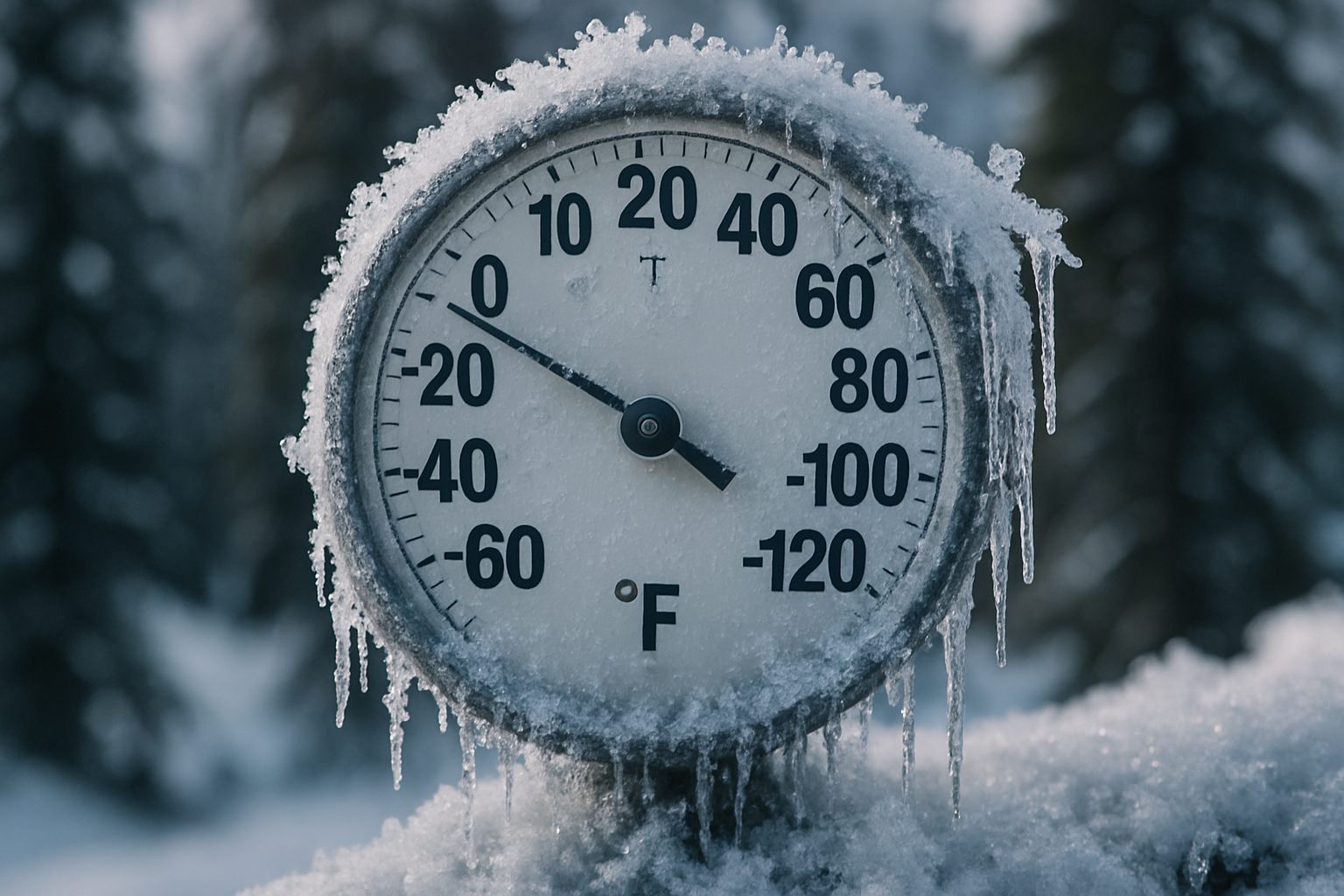
Cold is the single biggest reason generic trackers fail on snowmobiles. Low temperatures slow the chemical reactions inside a battery, cutting available capacity and, in severe cold, damaging the cells outright. The lithium-ion batteries in many consumer trackers — the same chemistry in your phone — lose significant runtime below freezing and can stop working entirely in deep cold.
When you evaluate a tracker for winter use, check the rated operating temperature range first. A device that only lists room-temperature specs isn’t built for a snowmobile. You want something explicitly rated to keep reporting in sub-zero conditions.
Housing matters just as much. Look for a sealed, rugged enclosure with a published IP rating so snow, slush, and meltwater can’t reach the electronics. A tracker mounted under a hood or body panel gets sprayed with wet snow every ride and sits in condensation as the machine warms and cools.
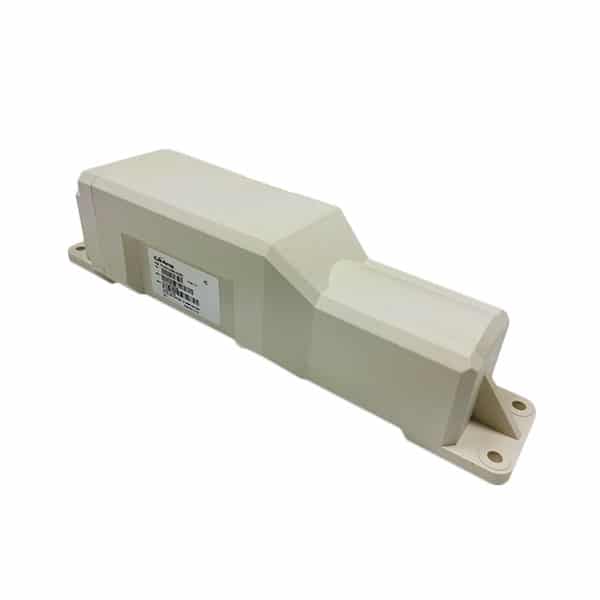
Battery type and quality matter more than the advertised capacity number. A large-capacity cell that degrades in the cold is worse than a smaller, cold-rated one that keeps delivering. LoneStar devices are built to keep reporting in cold-weather terrain, with battery chemistry and sealed housings chosen for exactly these conditions rather than repurposed from indoor consumer gadgets.
Battery life: why a multi-year battery matters for a seasonal vehicle
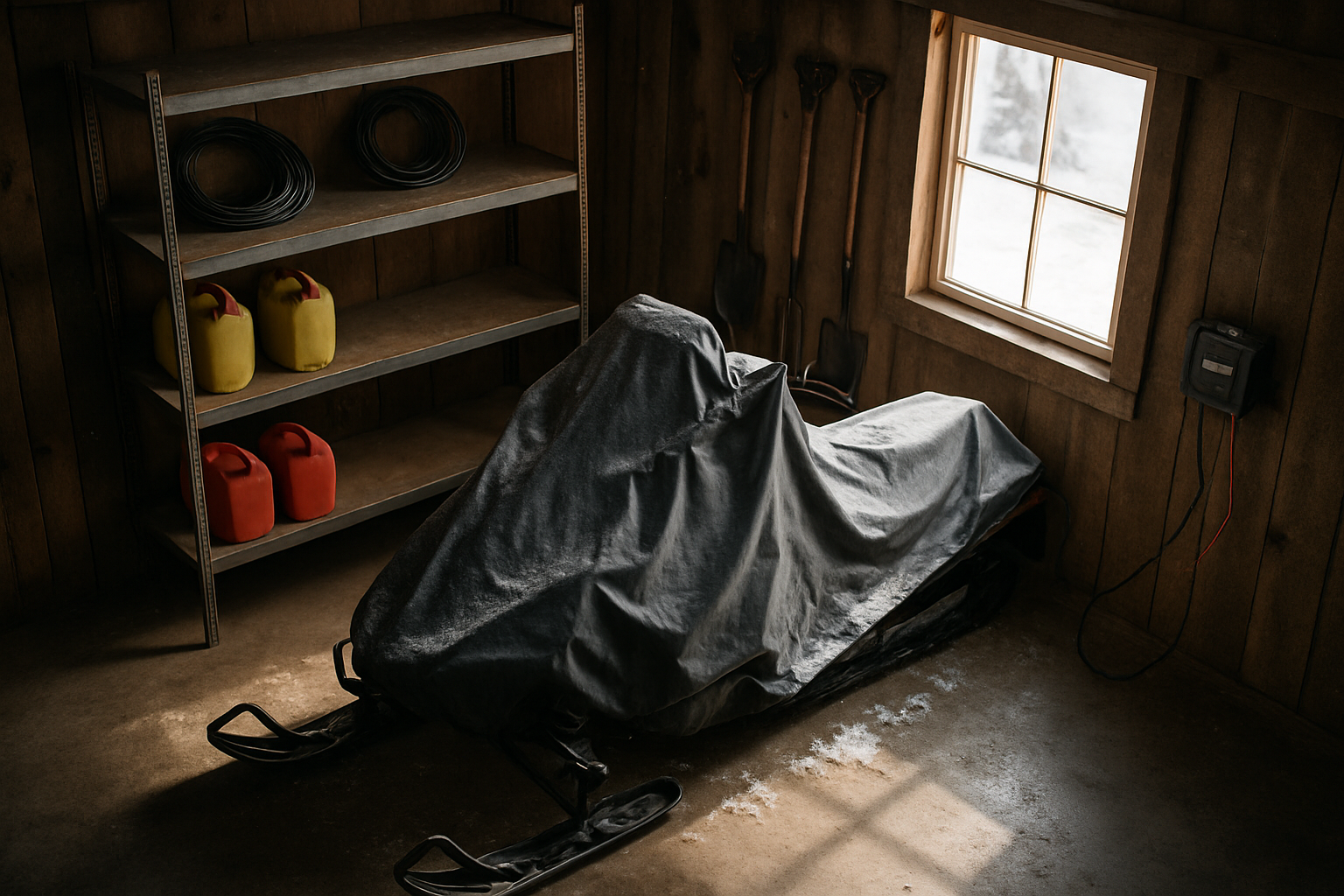
Seasonal use changes the whole equation for battery life. A car tracker that needs charging every few weeks is annoying but manageable, because you use the car daily and remember. A snowmobile that’s shrink-wrapped in a shed from April to November is a different story. A tracker that dies quietly in storage gives you nothing when a thief hits the shed in July.
Short-battery devices force a recharge cycle you will forget during the off-season. That’s exactly when theft from storage happens and exactly when the tracker is most likely to be dead.
You generally have two paths: a standalone battery tracker or one hardwired to the sled’s electrical system. Each has trade-offs, and we cover the full comparison in our guide to hardwired versus battery-powered GPS trackers. Hardwired devices never need charging but depend on the machine’s battery, which is a poor bet on a vehicle that sits unused for months. A quality standalone battery tracker sidesteps that entirely.
This is where LoneStar’s up to 10-year battery life changes the calculation. You install it once and stop thinking about recharging across multiple seasons. Reporting frequency is the main lever on battery drain — more frequent updates use more power — so a good tracker lets you balance update rate against longevity, reporting often when the machine moves and conserving power when it sits still.
Coverage in remote backcountry and weak-signal areas
To set realistic expectations, it helps to separate two things a tracker does. GPS gets the location fix from satellites — that part works almost anywhere with a view of the sky, including deep backcountry. The second part, transmitting that location to you, usually relies on a cellular network. And backcountry riding often means no nearby cell tower to carry the data.
Look for a device with wide cellular network coverage and store-and-forward reporting. Store-and-forward means the tracker logs positions while it’s out of range and pushes the full trail the moment it reconnects. So even if your sled leaves coverage, you get its last known location and can pick up the route once it’s back within reach of a tower.
For riders who spend serious time truly off-grid, satellite-based options exist that don’t depend on cell towers at all. We break down when that matters in our guide to cellular versus satellite trackers for areas with no cell coverage.
The practical move is to think honestly about where you ride and store the sled. If the machine mostly lives in a garage or at a cabin with coverage and gets ridden on mapped trail systems, wide cellular coverage handles the theft-protection job well. If you routinely disappear into no-signal terrain, weigh a device built for that.
Theft prevention and recovery features that matter
The features that actually help against theft are the ones that alert you early and help you recover fast.
- Geofencing lets you draw a boundary around your garage, trailer, or cabin. The moment the sled crosses that line, you get an alert — often the first sign a theft is in progress.
- Movement and tamper detection notify you when a parked machine starts moving or when someone tries to disturb the device, giving you a warning even before the geofence trips.
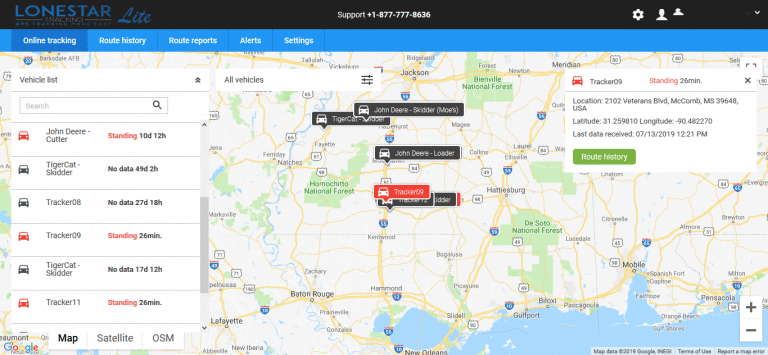
- Real-time location is what turns an alert into a recovery. Live tracking gives police an address to act on while the machine is still moving.
- Concealability is a feature in its own right. A tracker a thief can find and rip out in thirty seconds protects nothing. It has to be hidden well.
- Historical location trails show where a stolen sled has been and where it’s sitting now, which matters when a machine is moved to a chop shop or storage lot before resale.
The same recovery logic applies across other high-theft equipment — our write-ups on recovering stolen mowers and trailers and protecting motorhomes in storage cover parallel scenarios.
Data privacy and why encryption matters
A tracker doesn’t just protect your sled — it creates a detailed record of where you go. Your location history reveals your home, your cabin, your storage spot, and your riding patterns. That’s sensitive information, and it deserves protection.
Many trackers transmit or store that data with little or no protection, leaving it exposed to interception or misuse. It’s a problem the whole industry tends to ignore, and it’s worth understanding how much location data can leak in the background — our piece on how your phone shares GPS data digs into that.
LoneStar encrypts all tracking data, which keeps your location information private between you and your account. When you evaluate any provider, ask direct questions: Is the data encrypted in transit and at rest? Who can access it? Is it ever sold or shared with third parties?
Privacy matters even more for rental and fleet operators. If you track customer-rented machines, you’re holding data about other people’s movements, and handling it responsibly — and securely — is part of running that business well.
Installing and concealing a tracker on a snowmobile
Good placement does two jobs at once: it hides the device from thieves and shields it from the elements.
Common hiding spots include under the hood near the engine bay, beneath the seat, or tucked behind body panels. The goal is somewhere out of sight, hard to reach quickly, and not obvious to someone unfamiliar with the machine.
Your install method depends on the tracker. A standalone battery device is the simplest to conceal because it doesn’t need to connect to anything — you find a hidden spot and secure it. A hardwired unit ties into the sled’s electrical system, which requires more work and, on a seasonally stored machine, still leaves you dependent on a battery that may sit unused for months.
Whatever you choose, secure the device firmly against vibration — trail riding shakes hard — and make sure it’s positioned to stay dry, ideally in a sealed housing away from direct snow spray. Loose mounting leads to rattles, damage, and dead connections.
Most quality battery trackers are a straightforward self-install. If you’re hardwiring into the electrical system and aren’t comfortable with wiring, professional installation is worth considering to avoid draining the battery or damaging components.
What a snowmobile GPS tracker costs to buy and run
Cost usually comes in two parts: the upfront price of the device and an ongoing subscription for cellular service. The subscription typically covers the data connection, app access, and alert delivery — the pieces that let the tracker actually reach you.
A multi-year battery lowers your long-term cost in a way that’s easy to miss. You’re not buying replacement batteries or spending time recharging, and you’re far less likely to have a dead tracker at the moment you need it. That reliability has real value on a machine you can’t monitor for months.
Weigh the total cost against what you’re protecting. A snowmobile represents thousands of dollars and a high theft risk, so a modest device and subscription is inexpensive insurance by comparison. The right question isn’t just “what does it cost?” but “what does it cost relative to losing the machine outright?”
Choosing a tracker: single sled versus rental or dealer fleet
The right setup depends on how many machines you’re protecting and why.
For a single owner, the priorities are simple: reliable theft alerts, a long battery you don’t have to think about, easy concealed installation, and solid coverage where you ride and store. One well-placed, cold-rated, long-life tracker covers the job.
For rental operators and dealers, the needs expand. You’re managing multiple units and want a centralized way to see them all at once. Geofencing helps you know when a rented machine leaves an approved area, and usage oversight helps you monitor how hard machines are being ridden. Our guides to tracking equipment rental fleets and fleet GPS tracking cover the management side in depth.
Scalability matters when you’re adding devices — you want a platform that handles a growing number of units without becoming unwieldy. And if you track customer-rented machines, privacy becomes a responsibility: encrypted data and clear handling policies protect both your customers and your business. Match the device count, reporting frequency, and management tools to how you actually operate rather than buying more than you need.
Frequently asked questions
Will a GPS tracker keep working in sub-zero temperatures?
A tracker built for cold-weather use will, but many consumer devices won’t. Cold reduces battery capacity and can damage cells not rated for it. Check the published operating temperature range and choose a device designed for sub-zero conditions with a sealed, rugged housing. LoneStar devices are built to keep reporting in cold terrain.
How long will the battery last if my snowmobile is stored all off-season?
That depends entirely on the tracker. Short-battery devices may need recharging every few weeks — a real risk during a months-long off-season when you’re likely to forget. A long-life battery tracker, such as LoneStar’s up-to-10-year option, keeps reporting through the entire storage period without any recharge.
Can a tracker find my snowmobile if there’s no cell service where I ride?
GPS gets a location fix almost anywhere, but most trackers need a cellular signal to send that location to you. Devices with store-and-forward logging save positions while out of range and upload them once back in coverage. For truly remote riding, a satellite-based tracker doesn’t depend on cell towers at all.
Where’s the best place to hide a GPS tracker on a snowmobile?
Common spots are under the hood, beneath the seat, or behind body panels — somewhere out of sight and hard to reach quickly. A standalone battery tracker is easiest to conceal since it doesn’t need wiring. Secure it firmly against vibration and keep it protected from direct snow and moisture.
Do I need a monthly subscription to use a snowmobile GPS tracker?
Most cellular trackers require a subscription to cover the data connection, app access, and alerts that let the device reach you. When comparing options, look at both the upfront device price and the ongoing service cost, and weigh the total against the value of the machine you’re protecting.