GPS cattle tracking: how ranchers improve herd management and security
GPS cattle tracking: a practical guide for open-range herds
If you run cattle across hundreds or thousands of acres, you already know the two questions that never stop nagging: where are they, and are they all accounted for? A morning spent riding fence lines looking for a single stray, or the sick feeling of finding a cut fence and an empty pasture, is expensive in both time and money. GPS cattle tracking exists to answer those questions before they turn into losses.
This guide skips the sales pitch. Instead, it focuses on the two factors that actually decide whether tracking works on open range, battery life and rural connectivity, and frames everything around the real situations ranchers deal with: theft, strays, calving, and sick animals.
What GPS cattle tracking is and why it matters on open range
GPS cattle tracking uses a small device attached to an animal that determines its position using GPS satellites, then reports that location back to you over a cellular or satellite network. You see each animal on a map from your phone or computer, wherever you are.
This is fundamentally different from proximity tools like RFID ear tags. RFID only works when an animal walks within a few feet of a reader, usually at a chute or gate. It tells you an animal is here, right now, but nothing about where it is when it’s out on grass. GPS tells you where every tagged animal is across the entire ranch, in near real time.
On open range, two things determine whether a system is worth the money. First, battery life, because you can’t practically recharge devices scattered across thousands of acres. Second, rural connectivity, because a tracker that can’t reach a network is just a dead weight on a collar. Keep those two in mind as you read; they matter more than any feature list.
How GPS cattle tracking works on rangeland
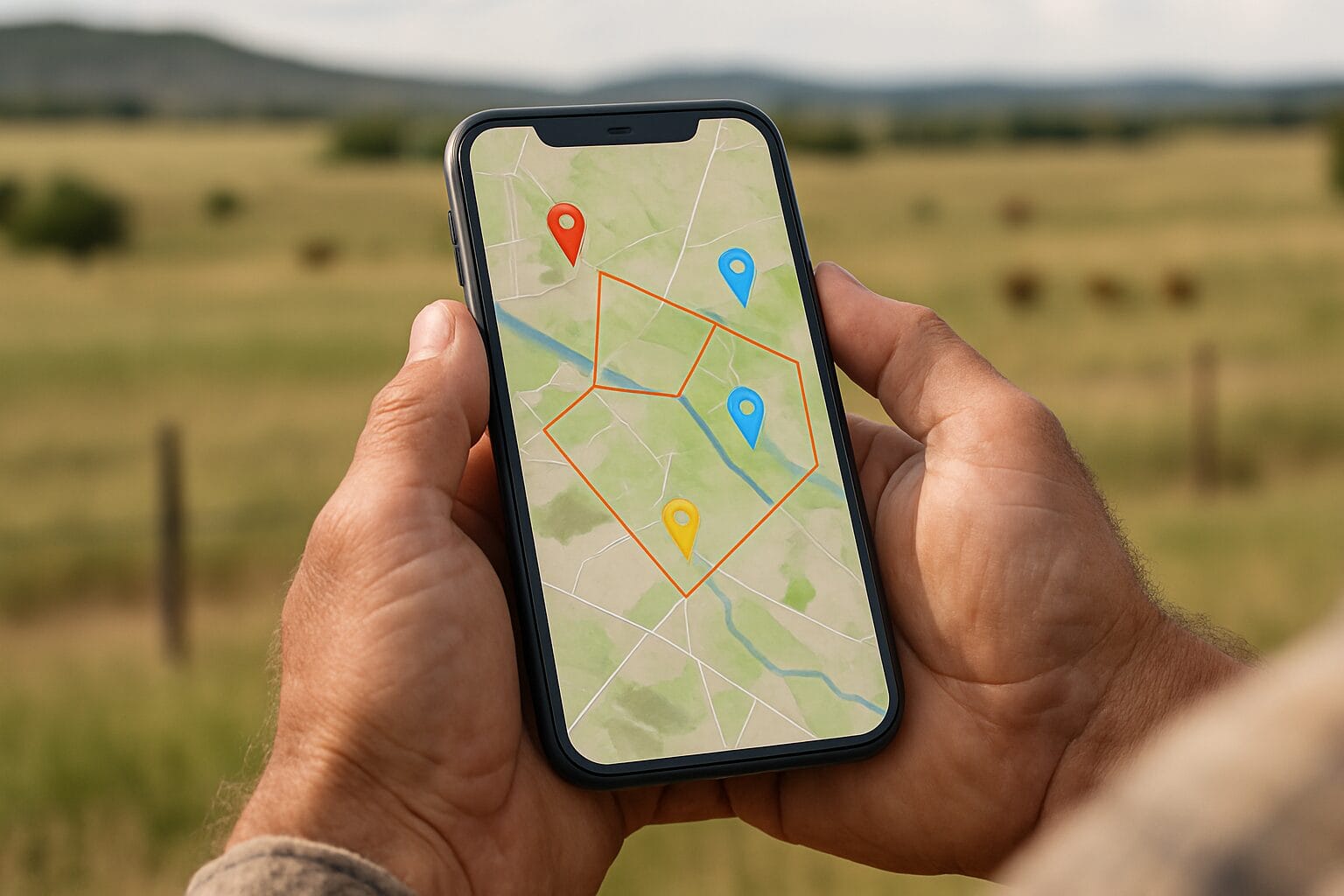
Every tracker follows the same basic cycle. The device listens for signals from GPS satellites overhead and calculates a precise position, usually accurate to within a few yards. It then transmits that fix over a network so the data can reach you.
How often it does this is the reporting interval, and it’s the single biggest lever on battery drain. A tracker that reports every few minutes gives you near-live movement but burns power fast. One that reports a few times a day sips power and can last for years. Many systems let you adjust this, sending frequent updates during calving season or a theft event, then dropping back to conserve battery the rest of the year.
Geofencing is where GPS earns its keep for most ranchers. You draw virtual boundaries on a map, your property line, a leased pasture, a dangerous ravine, and the system alerts you when an animal crosses one. Instead of checking positions constantly, you get a notification only when something is wrong.
That location data flows to a dashboard on your phone or laptop, where you can see individual animals, groups, movement history, and alerts.
Problems GPS tracking solves for ranchers
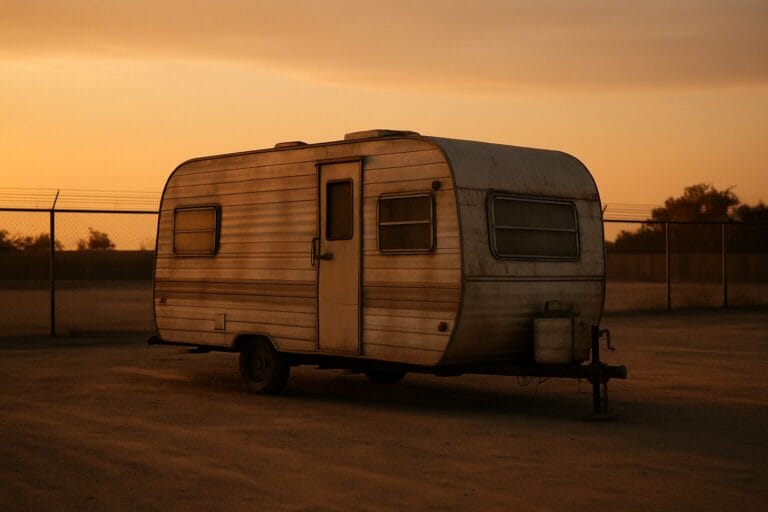
Theft. Cattle rustling is still very real, and stolen animals move fast, often loaded onto a trailer within minutes. A GPS tracker keeps reporting from inside that trailer, giving law enforcement a live location and a documented trail. That’s the difference between a total loss and a recovery with evidence.
Strays and downed fences. A tree comes down on a fence, or a gate gets left open, and animals wander onto a neighbor’s land or into rough country. Instead of searching blind, you open the map and drive straight to them.
Grazing patterns. Movement history shows you which parts of a pasture cattle actually use and which they ignore. Over a season, that data helps you rotate stock, protect overgrazed areas, and get more out of your grass.
Calving season. Cows often separate from the herd before calving. A tracker flags an animal that has broken away and settled in one spot, so you can check on her without patrolling the whole herd.
Sick or injured animals. A healthy animal moves throughout the day. One that stops moving, or moves far less than the group, may be sick, injured, or down. Reduced-movement alerts can point you to a problem animal early, when intervention still matters.
How trackers attach to cattle and animal safety
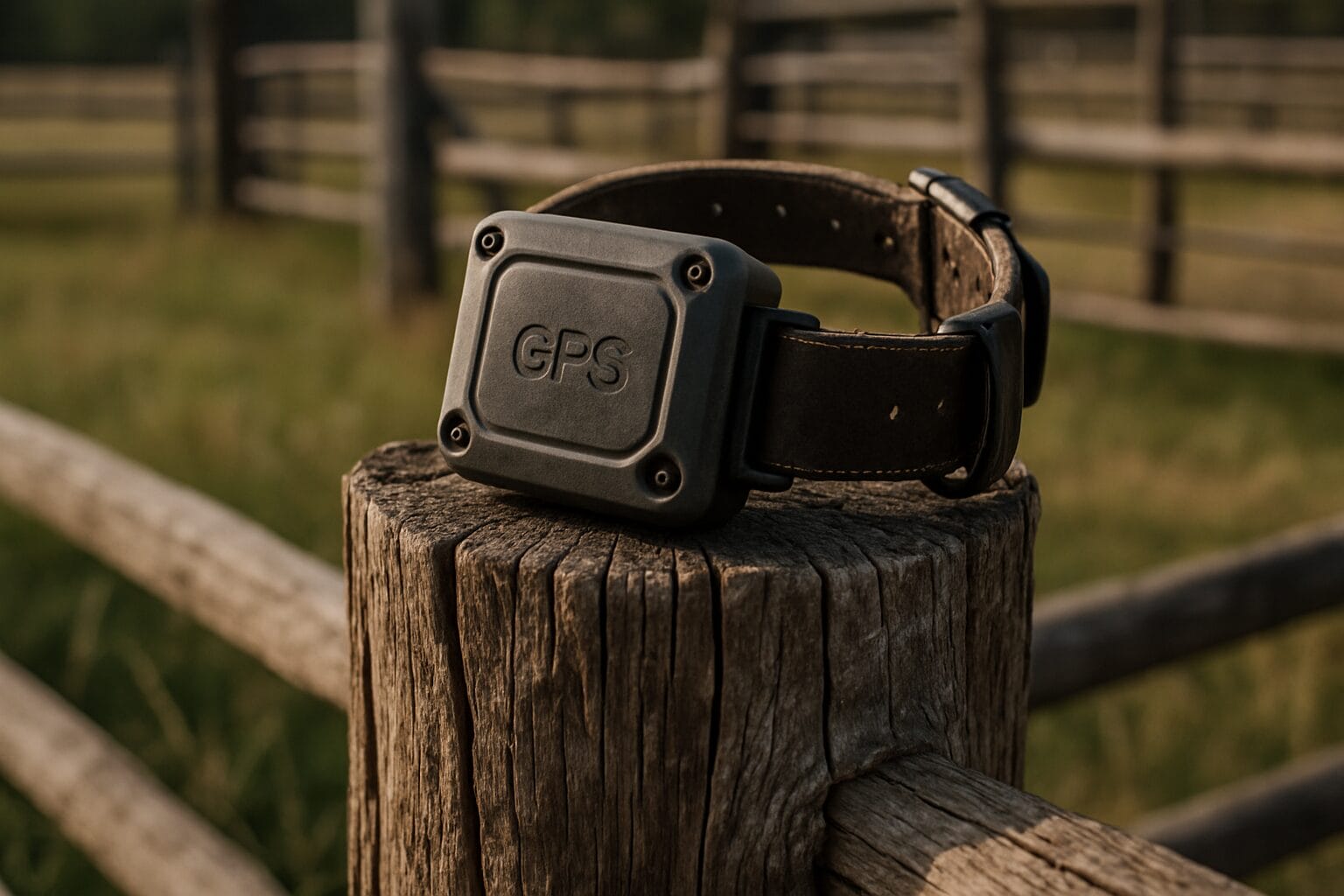
There are three common attachment methods: collars, ear tag units, and combination devices that pair a GPS module with a standard identification tag. Collars carry larger batteries and antennas, which usually means longer life and better signal. Ear tag units are lighter and less intrusive but have less room for battery capacity.
Whatever the format, fit matters for animal welfare. A collar should sit snugly enough not to slip or catch but loose enough to avoid chafing as the animal grazes and grows. Ear tag units need to be applied like any other tag, in the correct spot to avoid irritation.
Range life is hard on equipment. A good tracker resists rubbing against posts and brush, holds up in mud, dust, heat, and cold, and survives the animal lying down on rocky ground. Look for strong water resistance, cattle stand in ponds and get caught in downpours, and solid impact resistance. A sealed, rugged housing is not a luxury here; it’s the baseline for something that lives outdoors on a moving animal for years.
Battery life: why multi-year matters for remote herds
This is the factor ranchers underestimate most. If you’re tracking dozens or hundreds of head across remote pasture, the idea of rounding everyone up to swap or recharge batteries every few months is a non-starter. The labor alone would erase the value of the system.
Battery drain depends on a few things: how often the tracker reports, how cold it gets (batteries weaken in extreme cold), and how strong the signal is (a tracker straining to reach a distant tower uses more power). All three are working against you on open range.
That’s why multi-year battery life changes the math. Trackers built for up to 10 years of battery life, like the units LoneStar Tracking makes, turn tracking into a set-and-forget tool. You tag an animal once and monitor it for its productive life without touching the device again.
When you talk to vendors, push past the headline number. Ask what reporting interval that battery figure assumes, whether it accounts for cold weather, and what real customers on similar terrain actually see. A “5-year battery” that only lasts five years while pinging once a day is very different from one measured under real ranch conditions.
Rural connectivity: tracking where cell signal is weak
Here’s the honest truth most vendors skip: large grazing land often has cellular dead zones. Ridgelines, canyons, and the far corners of a big spread may have no signal at all. A tracker that only works with a strong cell connection will leave gaps exactly where you need it most.
Better trackers handle this with store-and-forward. When there’s no signal, the device keeps logging positions to memory. As soon as the animal wanders back into coverage, it uploads the backlog. You may not get live updates from the dead zone, but you won’t lose the history, and you’ll know the moment an animal comes back into range.
You’ll also weigh cellular versus satellite. Cellular is cheaper and works well where towers reach. Satellite covers virtually anywhere but generally costs more per device and per report. Some operations use cellular for the bulk of the herd and satellite for animals that range into the most remote country.
Before buying anything, check coverage for your specific ranch, not a national map. Ask the vendor which carrier or network the device uses and confirm that network actually reaches the corners of your land. A quick test with a phone on that carrier while you ride the property tells you a lot.
What GPS cattle tracking costs
Cost has two parts: hardware and service. Hardware is a per-device price, so it scales with how many head you tag. Service is the data or subscription plan that carries the location reports; some devices require it, and plans vary in what they cover and how often the device can report.
Do the math against what you’re protecting. A single mature cow or bull represents real money, and a recovered stolen animal or a calf saved during a hard birth can pay for several trackers. Framed that way, tracking is usually cheap insurance rather than an expense.
Watch for hidden costs. Read the contract terms before you commit: activation fees, per-report charges, minimum contract lengths, and what happens to a device if you cancel. If you’d rather avoid recurring charges entirely, it’s worth understanding how subscription models work, the same trade-offs we cover in our guide to GPS trackers without monthly fees apply to livestock devices too.
Keeping location data private and secure
Your herd’s location is sensitive business information. It reveals where valuable animals are, how many you run, and the layout of your operation, exactly the kind of intelligence a thief would want. Yet data security is the one topic most tracking articles ignore completely.
If tracking data travels or is stored without encryption, there’s a real risk it could be intercepted or accessed by people who shouldn’t see it. That turns a security tool into a liability.
The protection against this is end-to-end encryption, which scrambles your location data so only you and your authorized dashboard can read it. LoneStar Tracking encrypts all customer data for exactly this reason, because knowing where your cattle are shouldn’t mean anyone else can find out too.
When comparing vendors, ask direct questions: Is my data encrypted in transit and at rest? Who at the company can see my herd’s locations? Is my data ever sold or shared with third parties? A trustworthy provider will answer plainly.
How to choose a cattle GPS tracker
Pulling it together, here’s what to weigh:
- Durability and water resistance. It has to survive weather, mud, rubbing, and impacts for years.
- Accuracy and update frequency. Positions accurate to a few yards, with reporting intervals you can adjust for the season.
- Coverage and network type. The network must actually reach your land; consider satellite for remote country.
- Battery longevity. On open range, multi-year life isn’t a bonus, it’s the requirement.
- Data security. Encryption should be standard, not an upsell.
- Dashboard usability. You’ll live in this software, so it should make groups, alerts, and history easy to use.
Managing a whole herd
Modern systems can track large numbers of animals at once, hundreds of head is well within reach, so the practical limit is usually your budget rather than the technology.
A good dashboard is what makes a big herd manageable. Organize animals into groups (by pasture, by breeding status, by age), set geofence and movement alerts so the system flags only what needs attention, and review history when you want to understand patterns.
You don’t always have to tag every animal. Some operations tag the whole herd for full visibility; others tag a representative sample, plus high-value bulls and cows most likely to stray or calve. Which approach fits depends on your goals and budget.
Finally, fold GPS into your existing records and routines rather than replacing them. Combined with your herd management notes and health records, location data rounds out the full picture of each animal.
GPS tracking versus ear tags and RFID
Traditional ear tags and RFID are cheap and reliable for identification, but they only work at close range. You have to bring the animal to a reader. That’s fine for recording who came through the chute; it’s useless for finding an animal that’s a mile away behind a ridge.
GPS gives you real-time, long-range location anywhere on the range. It costs more per animal, but it answers the question RFID can’t: where is this animal right now?
The two aren’t rivals. Many ranchers use RFID for identification and compliance while relying on GPS for location, theft recovery, and welfare monitoring. But when the problem is a stolen trailer-load of cattle or a stray in rough country, GPS is the only one of the two that can actually bring them home.
How long does a GPS cattle tracker battery last?
It depends on the device and how often it reports, but the best trackers are built for multi-year life. LoneStar Tracking devices are designed for up to 10 years of battery life, which makes them practical for herds you can’t easily round up to recharge. Always confirm what reporting interval a battery estimate assumes.
Will GPS cattle tracking work in areas with weak cell signal?
Often yes, with the right device. Trackers with store-and-forward logging keep recording positions during dead zones and upload them once back in coverage. For land with no cellular service at all, a satellite-capable option may be worth the added cost. Always check coverage for your specific property before buying.
Is a GPS tracker safe and comfortable for cattle to wear?
Yes, when properly fitted. Collars and ear tag units are designed to sit securely without chafing or catching. Correct sizing and application matter, and durable, water-resistant housings protect both the device and the animal through normal range conditions.
How much does GPS cattle tracking cost per animal?
Cost includes hardware per device plus any data or subscription plan. Prices scale with herd size and reporting frequency. Weigh it against the value of the animals you’re protecting, recovering a single stolen or saved animal often covers the cost of several trackers.
Is my herd’s location data kept private?
It should be. Herd location is sensitive information, and unencrypted data can be intercepted. LoneStar Tracking encrypts all customer data end to end so only you can see where your cattle are. Ask any vendor whether they encrypt data and whether they share it with third parties.
Can I track my whole herd or just a few animals?
Either. Systems can track hundreds of head at once, so you can tag every animal or just a representative sample plus high-value stock. Dashboards with groups and alerts make monitoring large numbers manageable without checking each animal individually.