GPS safety trackers for pro cycling teams: what to evaluate before rider rollout
GPS safety tracker for cycling: how to protect your rides and recover a stolen bike
Every ride carries two quiet worries. The first is what happens if you go down on a remote road with no one around. The second is walking out to find an empty bike rack where your bike used to be. A GPS safety tracker for cycling is built to address both, and it works differently from the gadgets most cyclists already own. This guide covers the safety features that actually matter, how tracking helps recover a stolen bike, and what to look for before you buy.
What a GPS safety tracker for cycling actually does
A GPS safety tracker for cycling is a dedicated device built around two jobs: keeping you safe in an emergency and helping you get your bike back if it’s stolen. It’s not a training tool. It doesn’t care how fast you climbed the last hill or how many watts you pushed on the sprint.
That’s the key difference from the GPS you probably already ride with. A fitness watch or a bike computer focuses on speed, route mapping, heart rate, and training data. Those devices log where you’ve been so you can analyze the ride afterward. A safety tracker does the opposite job: it reports where you are right now, alerts people when something goes wrong, and keeps working while your bike sits locked outside a coffee shop.
Most tracker roundups you’ll find online treat cycling GPS as a theft problem and nothing more. Theft matters, but framing a tracker purely around recovery misses half of what a rider on a long solo ride actually needs. The rest of this guide keeps safety and recovery on equal footing.
Safety features that matter most on a ride
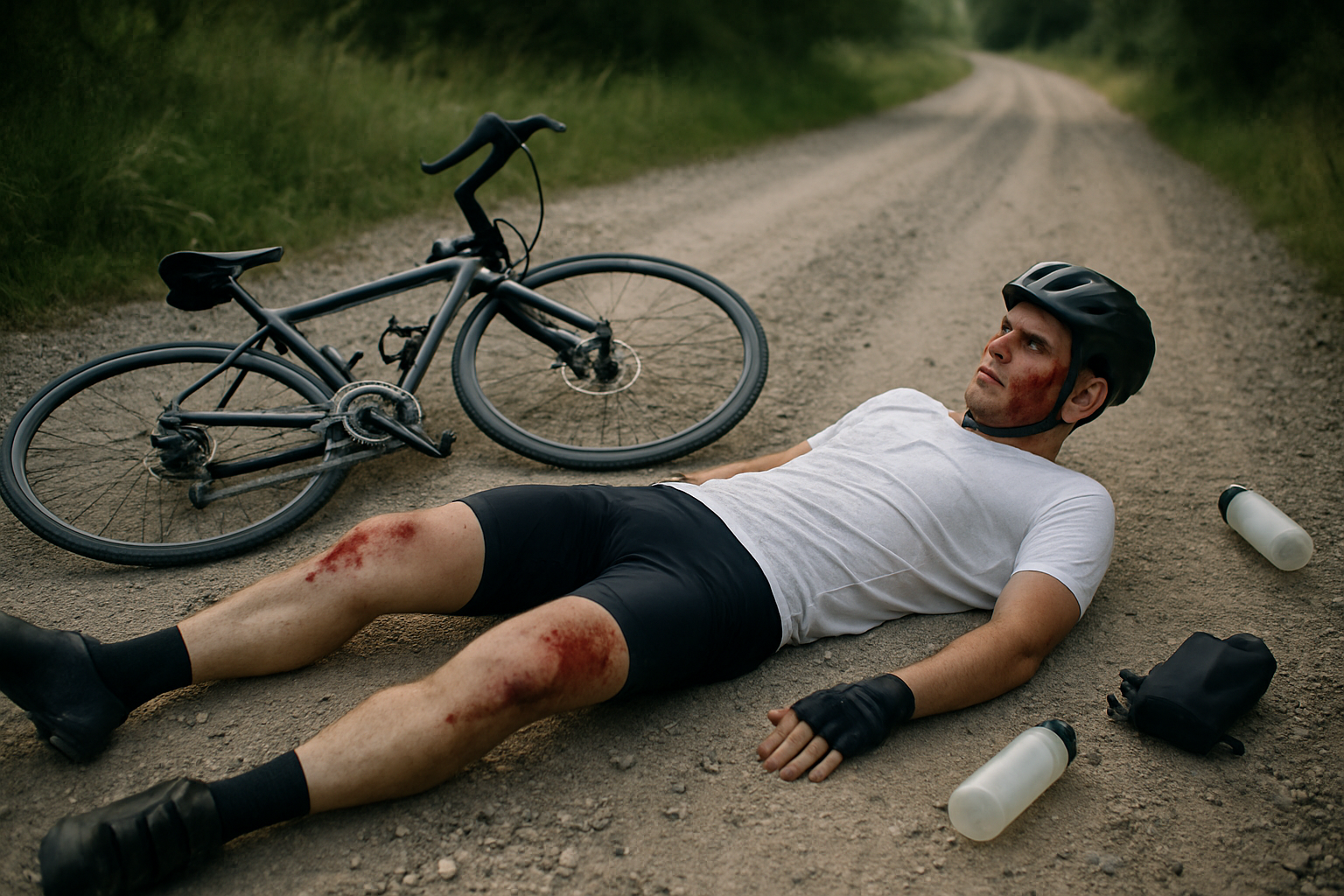
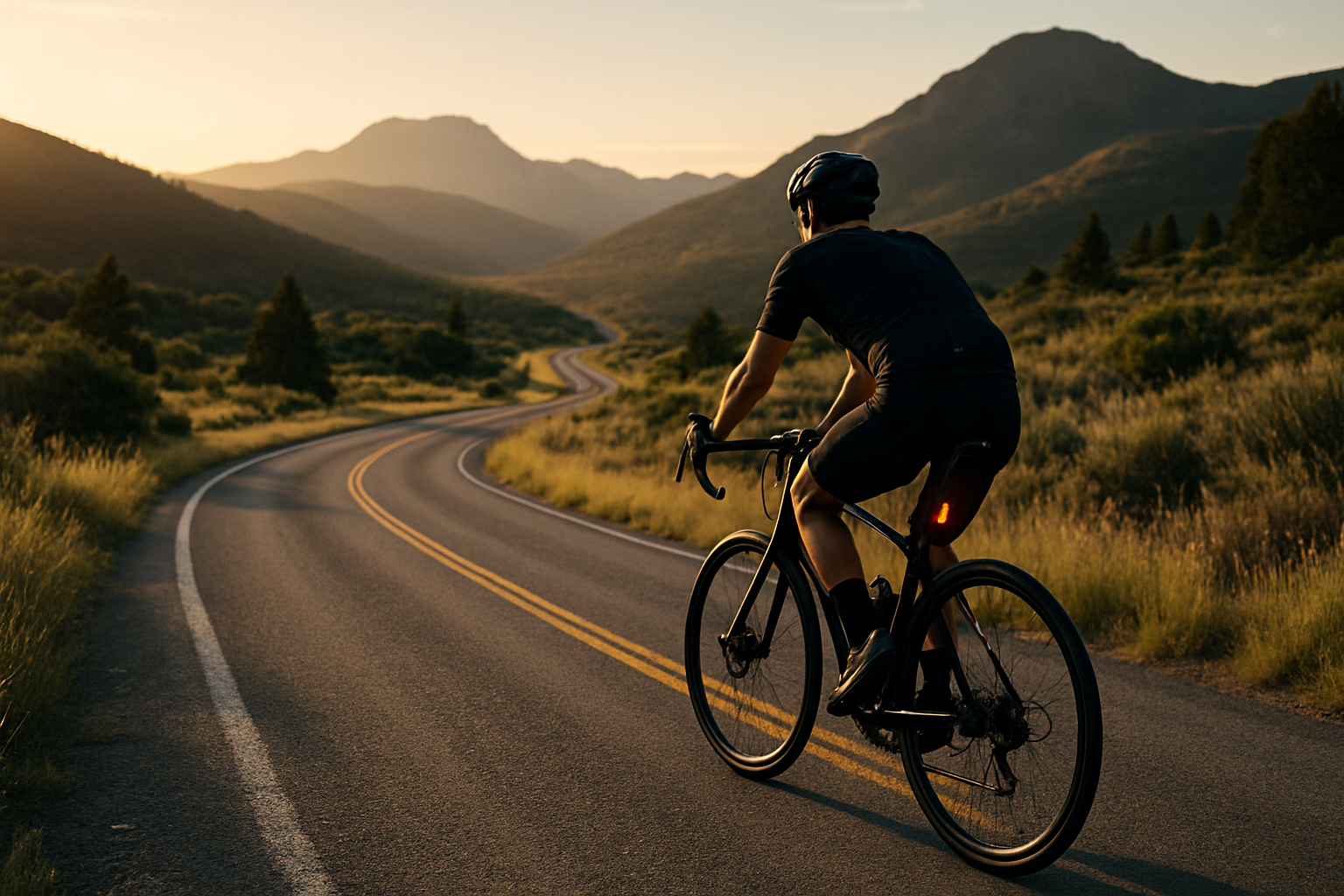
A phone in your jersey pocket feels like a safety net until you actually need it. If you crash hard, the phone might be face-down on the pavement ten feet away, or the screen might be shattered, or you might be too hurt to unlock it and dial. On a long solo ride down a rural farm road, that gap between an accident and someone knowing about it can stretch for hours.
A purpose-built safety tracker closes that gap. The features below are the ones worth paying attention to, because they’re the difference between a device that logs your ride and one that can summon help.
Crash and fall detection
Crash detection uses motion and impact sensors to recognize the signature of a sudden fall: a sharp deceleration followed by stillness. When the tracker senses that pattern, it can automatically send an alert to your emergency contacts, along with your location, without you touching anything.
That automation is the whole point. If you’re unconscious or pinned, you can’t reach a phone. A tracker that fires an alert on its own gives someone the chance to send help while you can’t ask for it yourself. For solo riders on remote roads and backcountry trails, that automatic hand-off is the single most valuable safety feature a tracker offers.
Emergency SOS alerts
Not every emergency is a crash. Sometimes it’s a mechanical failure that strands you miles from anywhere, a threatening encounter on an isolated road, or a medical event like chest pain that has nothing to do with falling off the bike.
An SOS button lets you trigger an alert manually. One press sends your exact location and a distress signal to the contacts you’ve chosen. Because the message carries precise coordinates rather than a vague “somewhere on the river trail,” whoever responds knows exactly where to go. Accurate location sharing shortens response time, and when you’re hurt or in danger, minutes matter.
Real-time location sharing
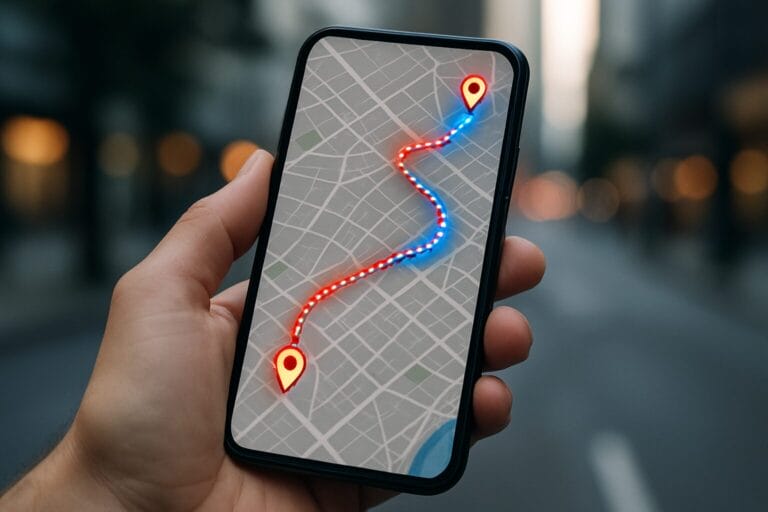
Real-time sharing lets the people you trust follow your position on a map as you ride. A partner can watch you make your way home in the dark. A parent can see that a young rider is on the usual route to a friend’s house and not somewhere they shouldn’t be. On a multi-day tour, family back home can check your progress across the map without a phone call.
There’s a meaningful difference between live tracking and periodic check-ins. Some devices update every few seconds; others send a location ping every several minutes to save battery. Live tracking is reassuring in the moment, but for long rides, a well-timed periodic update often gives you the best balance of visibility and battery life.
How GPS tracking helps recover a stolen bike
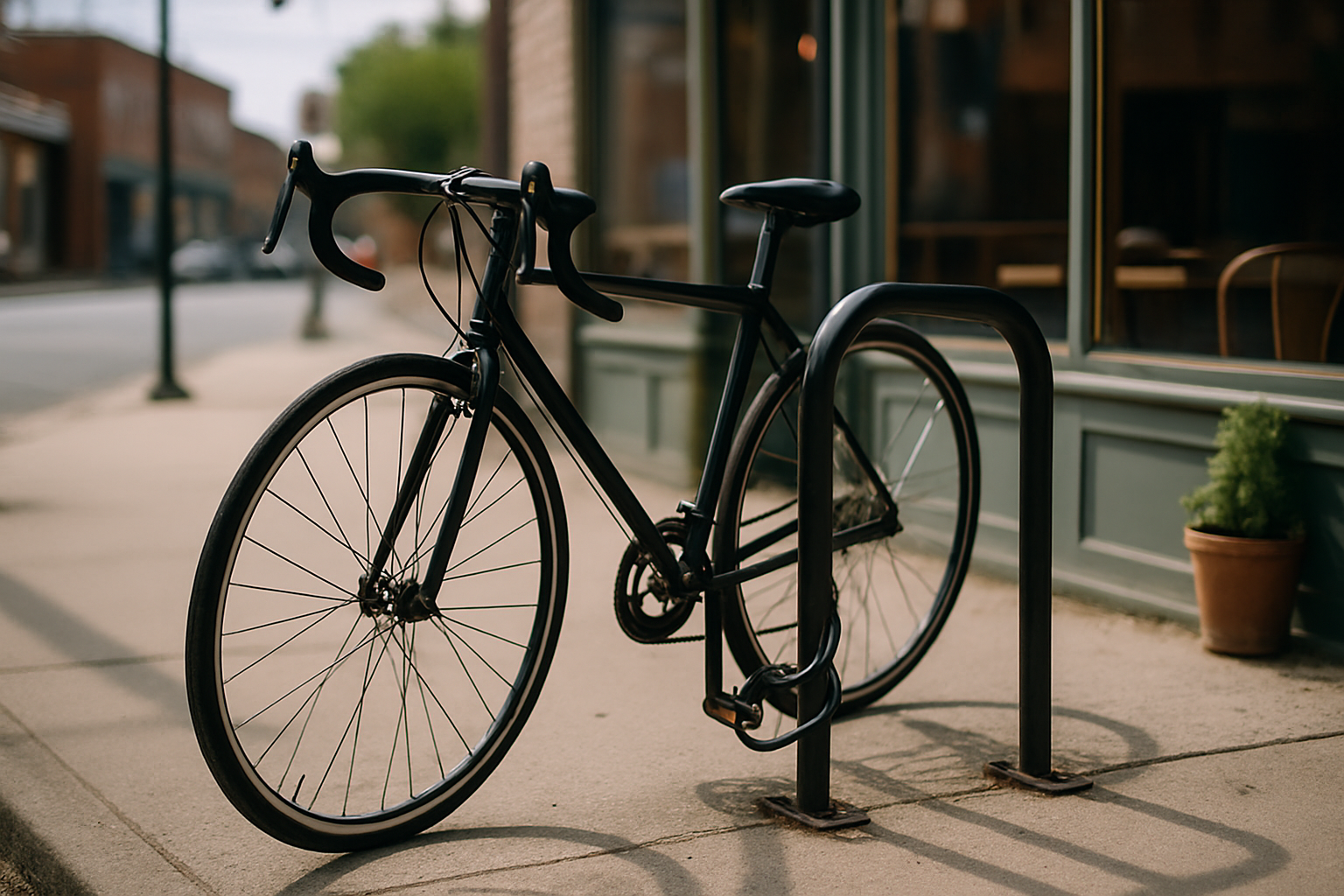
Bikes are a thief’s ideal target: valuable, quick to grab, and easy to roll away or throw in a van. Once a bike is gone, the odds of getting it back without tracking are grim. Serial numbers sit in a police database, but nobody’s actively looking for your specific frame.
A tracker flips that. It gives you live location and last-known position, which is information police can actually act on. Instead of filing a report and hoping, you can tell an officer where the bike is right now.
Discreet placement is what makes this work. If a tracker is hidden where a thief won’t spot it, they have no idea the bike is reporting its own location as they move it. Movement alerts and geofencing add another layer: set a zone around your home or office, and the moment the bike leaves that zone, you get a notification. You find out your bike is moving before you even realize it’s missing.
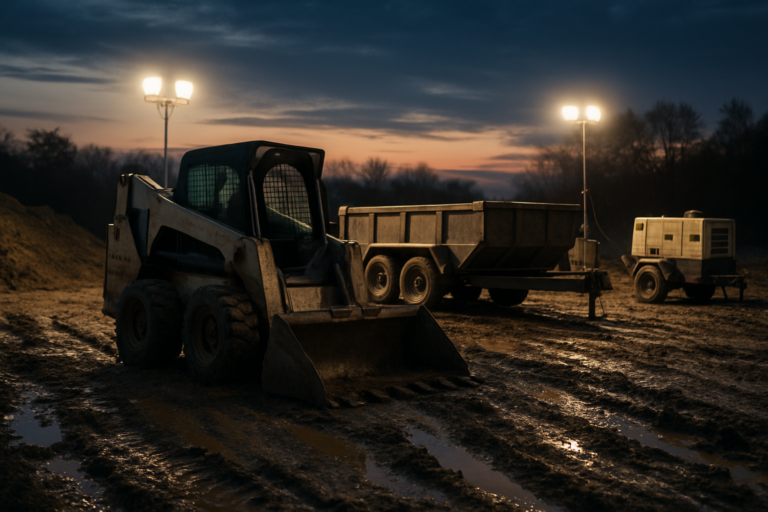
Keep expectations realistic. A tracker is a recovery aid, not a repossession service. The safe and effective move is to share the location with police and let them handle recovery rather than confronting a thief yourself. The same principles that make tracking work for bikes apply to other high-theft targets, whether that’s a snowmobile that vanishes from a trailhead or equipment off a job site.
Why battery life is a make-or-break feature
Here’s the cruel irony of a short-battery tracker: it dies exactly when you need it most. You’re three days into a bikepacking tour, deep in the mountains, and the device that was supposed to call for help in a crash went dark yesterday because you had nowhere to charge it. A tracker that’s dead is a tracker that can’t detect a fall, send an SOS, or report a theft.
Long battery life removes that whole category of worry. You’re not hunting for outlets at campgrounds or remembering to top off a device every night. For theft protection, it matters even more: a bike parked in a garage or locked outside needs its tracker running continuously for weeks or months, not just during a ride.
This is where LoneStar Tracking’s hardware stands apart. Our trackers are built for battery life measured in years rather than days, which means always-on theft protection and safety coverage that outlasts even the longest tour. You set it and forget it, and it’s still watching when you need it. If you’re weighing power options for a bike versus a garage-kept setup, our breakdown of hardwired versus battery-powered trackers walks through the trade-offs.
Mounting, hiding, and subscriptions
Where you put the tracker matters for both function and theft deterrence. Common spots include under the saddle, tucked inside the seat post, hidden in a bottle cage setup, or stashed in a frame bag. The best location keeps a clear line to the sky for signal while staying out of a thief’s sightline.
There’s a natural tension here. A tracker you can grab easily for charging is also one a thief can find and toss. The good news is that long battery life resolves most of that conflict: if you rarely need to charge it, you can mount it somewhere genuinely concealed and leave it there. Cyclists who want ideas on staying hidden while keeping a strong signal can borrow techniques from our guide on concealed tracker placement, since the signal-versus-concealment balance is the same on a bike.
Most cellular trackers need a data plan to send location updates over the mobile network. Before you buy, check what the ongoing cost looks like: is there a monthly fee, is it bundled, and what happens to the device if you stop paying? Some riders prefer to avoid recurring fees entirely, an approach we cover in our look at trackers without monthly subscriptions. Know the total cost of ownership, not just the sticker price.
Why encrypted location data and privacy matter
Your ride data is more revealing than it looks. A history of routes shows where you live, where you work, and when you’re predictably away from home. It maps your daily patterns. In the wrong hands, that’s a blueprint for a burglar or worse.
Unencrypted tracking data can be intercepted or exposed, turning a safety device into a privacy liability. This is a real risk that most tracker reviews simply don’t mention, and it’s worth taking seriously if you’re broadcasting your location on every ride.
LoneStar Tracking encrypts all location data, end to end, so your routes stay yours. We’re the only company that encrypts every customer’s data by default, because your movements shouldn’t be readable by anyone but you and the people you choose to share with. If you want to understand how location data leaks in the first place, our piece on how phones quietly share GPS data explains why encryption is the differentiator it is.
How reliable is GPS in remote and rural areas
GPS positioning itself works almost anywhere with a clear view of the sky. The device listens to satellites to calculate its location, and accuracy is strong in open terrain. Dense tree cover, deep canyons, and tall buildings can degrade that fix, but for most riding, positioning isn’t the weak link.
The limiting factor is cellular coverage. A tracker calculates where it is using GPS, but it needs a cell network to send that location to your phone. In the backcountry with no bars, real-time updates pause.
Good trackers handle this with store-and-forward: the device keeps logging its position offline and transmits the data the moment it reconnects to a signal. So even on a deep-wilderness ride, you get a last-known location as soon as coverage returns. For riders who spend serious time truly off-grid, it’s worth understanding the difference between cellular and satellite trackers, since satellite connectivity is the only thing that works with zero cell coverage. Set expectations accordingly, and you won’t be caught off guard.
Buyer’s checklist for a GPS safety tracker for cycling
Run any tracker you’re considering through these points:
- Safety, not just theft. Confirm it offers crash detection and SOS alerts, not only movement notifications. A theft-only device leaves your personal safety uncovered.
- Battery life that outlasts your rides. Look for battery measured in years so it survives multi-day tours and provides always-on theft protection between rides.
- Encrypted data and a clear privacy policy. Your routes reveal your home and habits. Make sure the data is encrypted and the company is transparent about how it’s stored.
- Discreet, secure mounting. Check that it fits somewhere concealed on your frame while keeping a clean signal path.
- Coverage where you actually ride. Match the tracker’s connectivity to your terrain, and confirm how it handles areas with no signal.
- Transparent subscription and total cost. Know the recurring fees up front and what the device does if the plan lapses.
Get those six right and you’ll end up with a tracker that earns its place on your bike.
Is a GPS safety tracker different from the GPS in my bike computer or watch?
Yes. A bike computer or fitness watch records your ride for training analysis: speed, route, heart rate, and performance data. A safety tracker is built to report your live location, detect crashes, send SOS alerts, and help recover a stolen bike. They serve different purposes, and many riders use both.
Do GPS safety trackers for cycling require a monthly subscription?
Most cellular trackers need a data plan to send location updates over the mobile network, and that often comes with a fee. Costs vary widely, so check whether there’s a monthly charge, whether it’s bundled, and what happens to the device if you stop paying before you buy.
Can a tracker really help me get a stolen bike back?
It significantly improves your odds. A hidden tracker gives police live and last-known location they can act on, and movement alerts tell you the instant a parked bike moves. It’s a recovery aid that works best when you hand the location to police rather than confronting a thief yourself.
How long should the battery last on a cycling GPS tracker?
For genuine peace of mind, look for battery life measured in years rather than days. A tracker that needs frequent charging can die mid-tour or between rides, exactly when you need crash detection or theft alerts working. LoneStar Tracking devices are built for years of battery life for this reason.
Will the tracker work if I ride in areas with no cell signal?
GPS positioning still works, but sending that location needs cell coverage. Quality trackers store the location offline and transmit it once signal returns, so you get a last-known position. For truly off-grid riding with no cell service anywhere, a satellite-capable tracker is the only option that reports in real time.
Is my location and route data kept private?
It should be, but many trackers don’t encrypt data by default. Your routes reveal where you live, work, and ride, so encryption matters. LoneStar Tracking encrypts all location data for every customer, keeping your routes private and out of reach of interception.