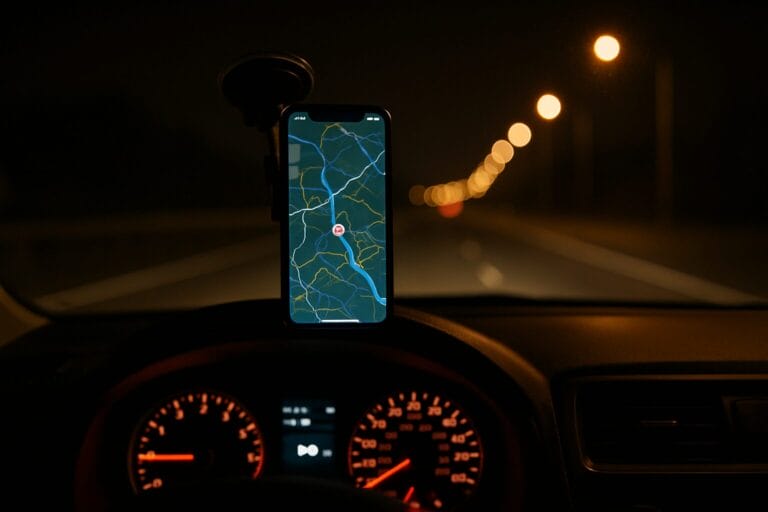
Where to hide a GPS tracker on a car: placement spots that stay concealed and keep a strong signal
Where to hide a GPS tracker on a car: best spots and what makes them work
Hiding a GPS tracker on a car sounds simple: tuck it somewhere out of sight and you’re done. In practice, the spot you choose affects whether the tracker actually reports accurate locations, survives months of road grime, and stays put instead of getting found and yanked off. A tracker buried in solid steel might be invisible, but if it can’t hold a signal, it’s useless.
This guide walks through the best hiding spots for legitimate uses like theft recovery, fleet monitoring, and keeping tabs on a teen driver’s car. More importantly, it explains why each spot works or fails, so you can match the placement to your device and your goals.
How to choose a hiding spot that actually works
Every good hiding spot balances four things: signal reception, tamper resistance, weather protection, and power or battery access. Most people fixate on concealment alone and end up with a tracker that either loses its fix or dies weeks later in a spot they can’t reach.
The trick is that these factors pull against each other. Deep concealment often means worse signal. Exterior spots that are easy to reach for a battery swap are also easy for someone else to find. The best placement isn’t the most hidden one, it’s the one that keeps the device working reliably over time.
Two device features dramatically loosen these trade-offs. A long battery life means you don’t have to compromise on concealment just to reach the tracker for charging. And encrypted data means that even once the device is installed and reporting, the sensitive location history it produces stays protected. Keep both in mind as you read through the spots below.
The four factors that make or break a hiding spot
Before ranking locations, here’s the criteria used to judge each one.
Signal reception
A GPS antenna needs a clear view of the sky to lock onto satellites. Heavy metal shielding weakens or blocks that view, which is why a tracker sealed inside a solid steel enclosure can struggle to report accurately.
Materials matter. Plastic, fiberglass, and glass let GPS and cellular signals pass through far better than solid steel. That’s why plastic bumpers and windshield-adjacent spots tend to work well. The deeper you push a device into the interior for concealment, the more signal quality you typically give up, so it’s always a balance.
Tamper resistance
If someone can reach a tracker without tools, they can remove it just as fast. A device stuck to an exposed exterior surface can be spotted during a quick look and pulled off in seconds.
Interior and secured locations resist tampering far better. A tracker behind a panel or wired into the vehicle takes real effort and knowledge to find and disconnect, which is exactly what you want for theft recovery, where a thief may actively look for a tracker.
Weather and vibration protection
Exterior placements deal with water, road salt, mud, stones, engine heat, and constant vibration. Over time, that punishment kills devices that aren’t built for it.
For undercarriage and wheel-well spots, a weatherproof-rated device in a magnetic case isn’t optional, it’s the whole reason the placement is viable. Interior placements sidestep almost all of this stress, which is one of their biggest advantages.
Power and battery access
Hardwired trackers pull power from the vehicle, so they have to sit near a wiring source. Battery-powered trackers can go almost anywhere, but you have to be able to retrieve them to recharge, unless the battery lasts long enough that you rarely need to.
This is where long battery life changes everything. A device rated for up to 10 years of battery life can be placed deep in concealment and left alone, removing the “must be easy to reach” constraint that limits so many placements. Our breakdown of hardwired vs. battery-powered trackers covers this decision in depth.
Best places to hide a GPS tracker on a car
Here are the most practical spots, with the honest trade-offs of each.
Inside the OBD-II port
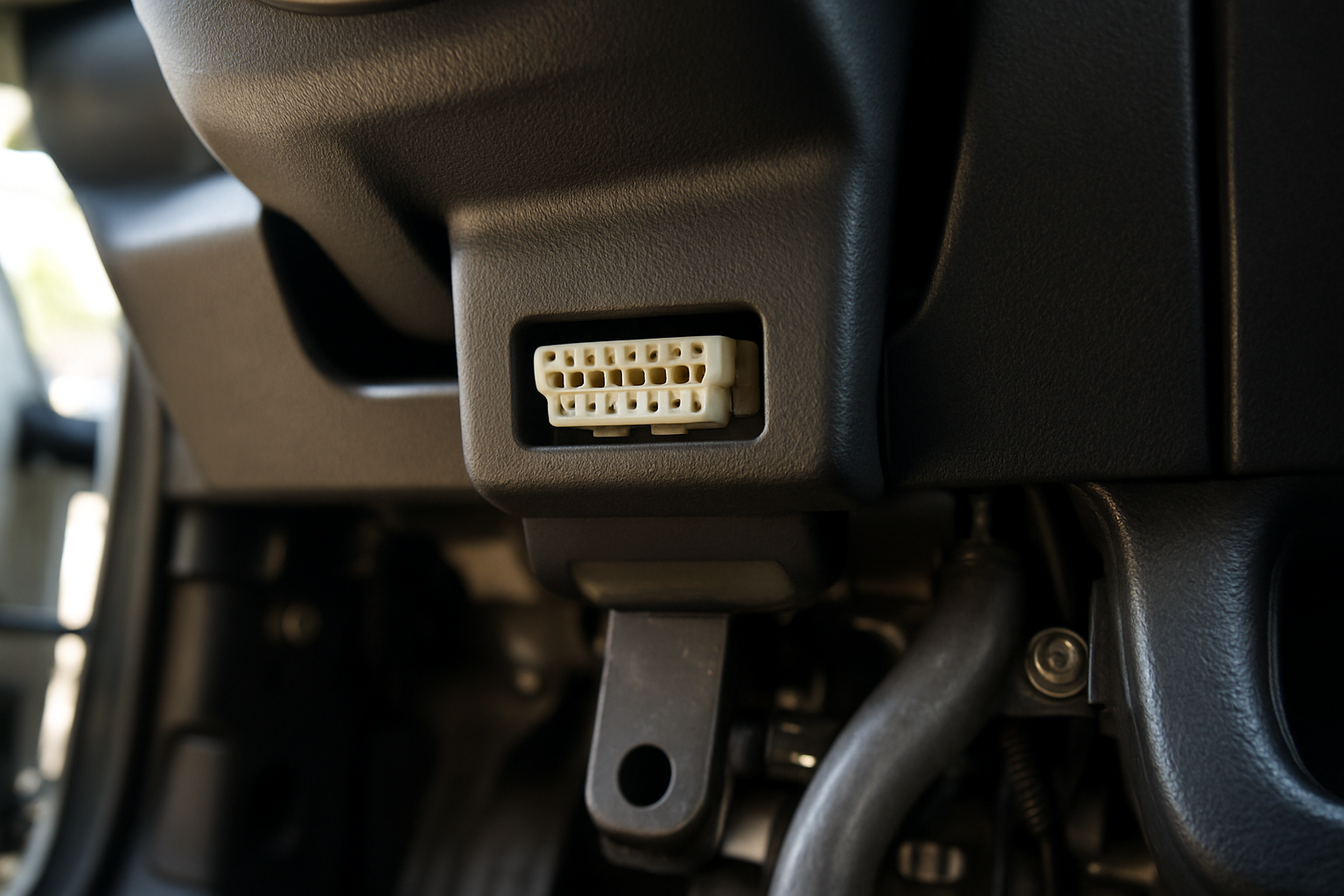
The OBD-II port sits under the dash near the steering column on most vehicles. A tracker plugged in here draws power directly from the car, so it never needs charging, and it enjoys strong signal through the windshield with zero weather exposure.
The catch is tamper resistance. The port is a known location, and anyone familiar with cars can find and unplug an OBD tracker in seconds. It’s excellent for fleet monitoring where concealment from a thief isn’t the priority, but weak if you’re worried about someone actively searching.
Under the dashboard or behind interior panels
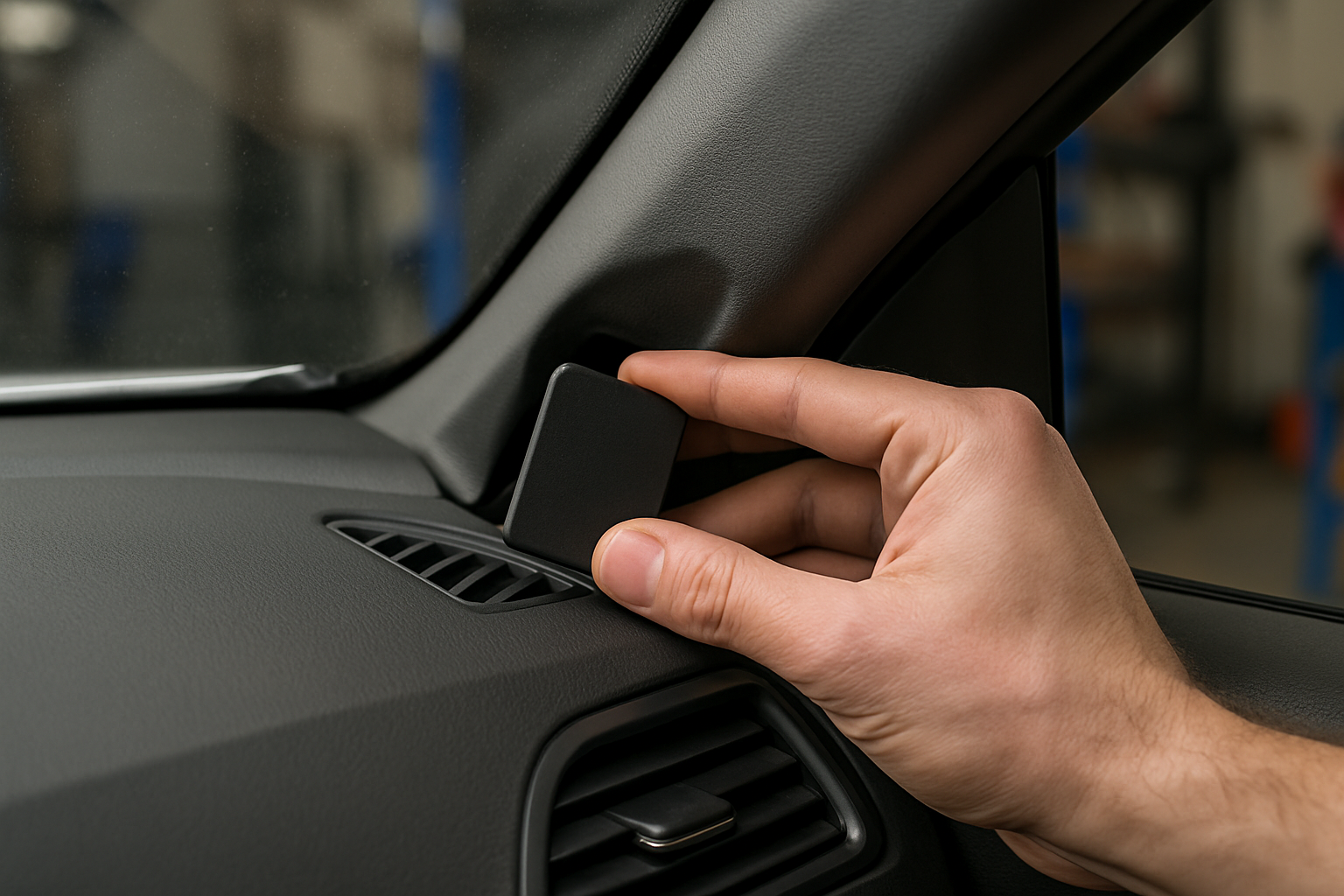
Tucking a device behind interior trim or up under the dash gives you strong concealment and full protection from the weather. Signal reception stays decent because it’s picking up through the windshield and plastic rather than steel.
The downside is installation effort. You’ll need to remove some trim to place it and again to access it, so this spot pairs best with either a hardwired device or a long-battery unit you can leave alone.
Under the seats or in seat cracks
For a battery-powered tracker, sliding one under a seat is one of the fastest placements available. Signal and weather protection are both good.
Concealment is only moderate, though. A tracker under a seat can turn up during a thorough cleaning or when someone reaches for a dropped item. It’s fine for casual monitoring but not the most secure choice.
In the trunk or cargo area
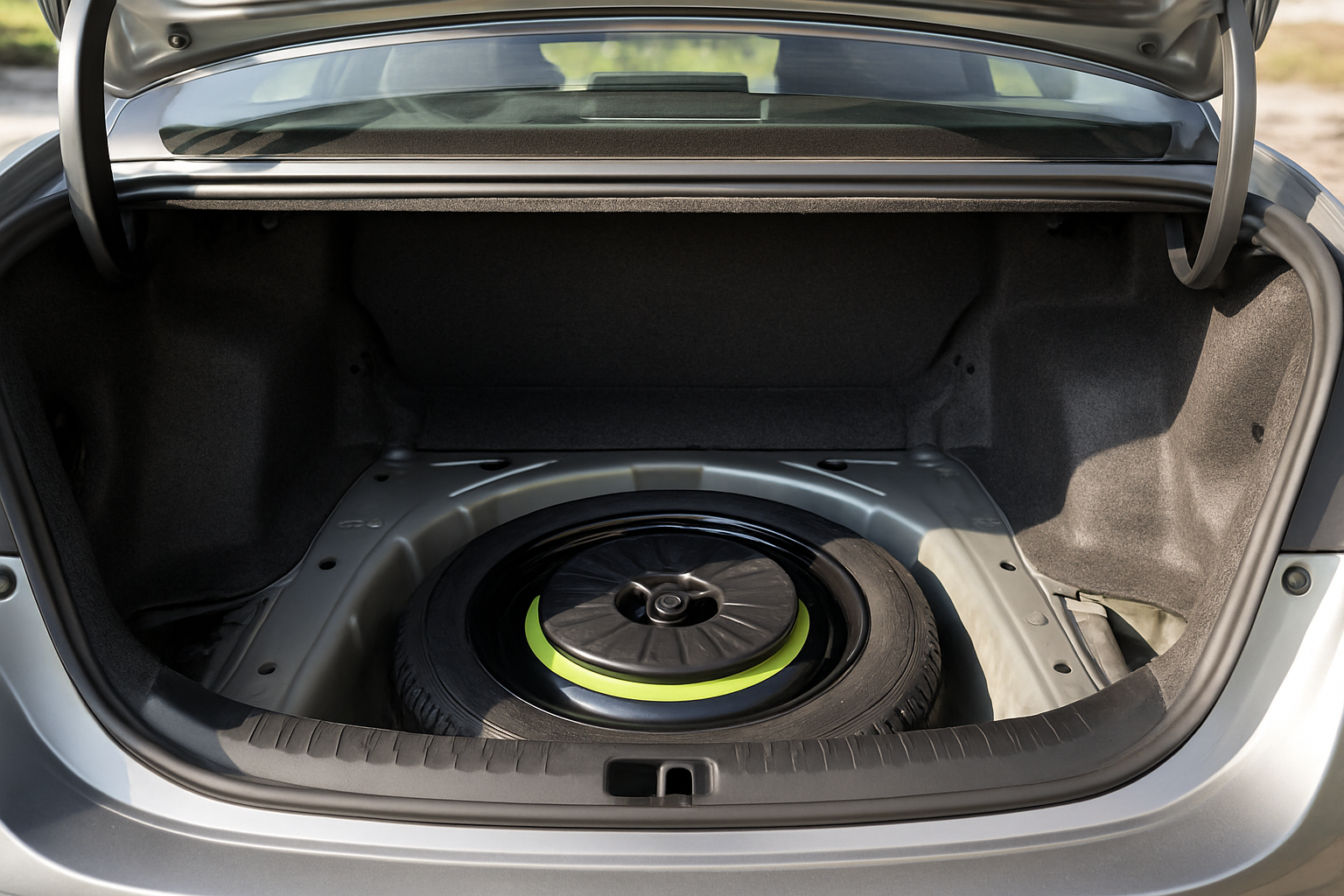
The trunk offers room for larger devices with bigger batteries, and it hides them from anyone in the cabin. The trade-off is signal: surrounding metal, especially over the wheel wells and under the deck, can weaken reception.
If you use the trunk, favor spots near the rear parcel shelf or the spare tire well, where there’s less metal directly overhead blocking the sky.
Wheel wells and undercarriage (magnetic case)
An undercarriage or wheel-well placement keeps the tracker completely out of the driver’s sight, and a magnetic weatherproof case makes attachment quick. Signal is generally good here because the device has clear sky exposure below the vehicle.
The demands are real, though. This spot takes the full brunt of water, dirt, salt, and flying debris, so a weatherproof rating is essential, not a nice-to-have. There’s also a genuine risk of the device shaking loose over rough roads if it isn’t securely mounted. Use a strong magnet and check placement periodically.
Inside the front or rear bumper
Modern bumpers are plastic, which lets signal pass through cleanly. Tucking a tracker inside a bumper hides it from view and shields it better than a fully exposed undercarriage mount.
It’s not fully sealed from the elements, so you still want a weather-resistant device and secure mounting so it doesn’t rattle loose. Overall it’s a strong compromise between signal, concealment, and protection.
Where not to hide a tracker
Some spots cause more problems than they solve:
- Near the engine block. Sustained engine heat can damage electronics and shorten battery life fast. Keep devices well away from the hottest parts of the engine bay.
- Deep inside all-metal enclosures. Sealing a tracker in a solid steel compartment can choke off the signal entirely. Concealment means nothing if the device can’t report.
- Loose placements. Anywhere a device can slide, rattle, or fall out is a bad bet. Road vibration will eventually work a loose tracker free.
- Hard-to-reach spots for short-battery units. If you’re running a battery-powered tracker that needs frequent charging, don’t bury it somewhere that takes 20 minutes of disassembly to reach every few weeks.
Hardwired vs battery-powered trackers
The device type shapes where you can hide it.
Hardwired trackers run on constant vehicle power and never need charging, but they must sit near accessible wiring. That makes them ideal for permanent installations like fleet vehicle tracking, where the device stays put for years and concealment behind panels is worth the install time.
Battery-powered trackers free you from wiring entirely, so you can place them almost anywhere, including magnetic exterior mounts. The only rule is that you have to be able to get to them for charging, unless the battery lasts long enough that retrieval is rare.
That last point is what shifts the decision. When a battery lasts years instead of weeks, you can choose a deep, hard-to-reach concealment spot and simply leave the device there, getting the flexibility of battery power with none of the recharging hassle.
How battery life changes where you can hide a tracker
Battery life quietly dictates your placement options. A tracker that needs charging every couple of weeks forces you into easy-access spots, which are also the easiest for others to find. You end up trading security for convenience.
A multi-year battery flips that. With a device that can run for years on a single charge, you can push it deep into a bumper, behind a panel, or into a tucked-away undercarriage spot and forget about it. LoneStar Tracking devices offer up to 10-year battery life, which effectively removes recharging from the equation and lets you prioritize the most secure, concealed placement instead of the most reachable one. For long-term uses like protecting a classic car in storage, set-and-forget placement is exactly what you want.
Is it legal to hide a GPS tracker on a car?
As general guidance, tracking a vehicle you personally own, or one owned by your business, is typically allowed. When you own the asset, you generally have the right to know where it is.
Tracking a vehicle you don’t own is where consent comes into play. Placing a tracker on someone else’s car without their knowledge can run into legal problems depending on your location and the relationship. For employee monitoring, many businesses track company-owned vehicles and inform drivers as policy. For a teen driver, parents tracking a car they own for a minor is common, and our guide to GPS tracking for teen drivers covers how to do it without eroding trust.
Laws vary by state and locality, so check the rules that apply to your situation. This is general guidance, not legal advice.
Keeping your tracking data private and secure
A tracker generates a detailed record of where a vehicle goes, and that location history is sensitive. If it isn’t protected, it becomes a privacy risk in its own right.
Look for a device that encrypts its data end to end, use strong, unique credentials on your tracking account, and limit dashboard access to only the people who genuinely need it. LoneStar Tracking encrypts all data because location privacy matters, and we’re the only company to do so across the board. If you want to understand why this matters, our piece on how location data gets shared and how encryption protects you goes deeper.
Choosing the right tracker for long-term discreet placement
For a tracker you plan to hide and rely on, prioritize three things: reliability, long battery life, and weatherproofing. A device that reports consistently, runs for years, and survives the elements gives you the widest range of hiding spots and the least maintenance.
Match the device type to your goal. Hardwired suits permanent fleet installs; long-battery units suit deep concealment with occasional or no retrieval. And because encrypted, long-battery devices remove both the recharging constraint and the privacy risk, they give you the most placement freedom of all. Pick the tracker that fits how you’ll actually use it, and the right hiding spot follows naturally.
Where is the most secure place to hide a GPS tracker on a car?
Behind an interior panel or under the dash offers the best mix of concealment, weather protection, and tamper resistance. These spots take tools and effort to reach, so they resist both casual discovery and a thief actively hunting for a tracker.
Can a GPS tracker work if it’s hidden under the car?
Yes. Undercarriage placements often get good signal thanks to clear sky exposure below the vehicle. The key requirements are a weatherproof device and a secure magnetic mount, since the underside is exposed to water, debris, and vibration.
Do hidden GPS trackers need to be recharged?
It depends on the type. Hardwired and OBD-II trackers draw power from the vehicle and never need charging. Battery-powered trackers do, but a device with multi-year battery life, such as up to 10 years, can be placed and left alone for a very long time.
Is it legal to put a GPS tracker on someone else’s car?
Generally, tracking a vehicle you or your business own is allowed, while tracking a car you don’t own without consent can be illegal depending on your location. Laws vary by state, so check local rules before installing a tracker on a vehicle you don’t own.
How can I keep my GPS tracking data private?
Choose a tracker that encrypts its data, protect your account with a strong password, and restrict who can see the tracking dashboard. LoneStar Tracking encrypts all data by default so your vehicle’s location history stays private.