GPS fleet tracking: how to cut costs and protect vehicles across your whole fleet
Fleet GPS tracking: a practical buyer’s guide for small and mid-sized fleets
If you run a delivery, service, construction, or logistics operation, your vehicles are among your biggest expenses and your least visible assets. Once a truck leaves the lot, you’re relying on phone calls, paper logs, and trust. Fleet GPS tracking closes that gap by showing you where every vehicle is, how it’s being used, and where money is leaking out of your operation.
Most buyer’s guides bury you in feature lists. This one focuses on the two things vendors tend to skip: how long the hardware actually runs before someone has to service it, and whether your location and driver data is encrypted. Both quietly determine your real cost and your real risk. Here’s what matters and how to choose.
What fleet GPS tracking is and how it works
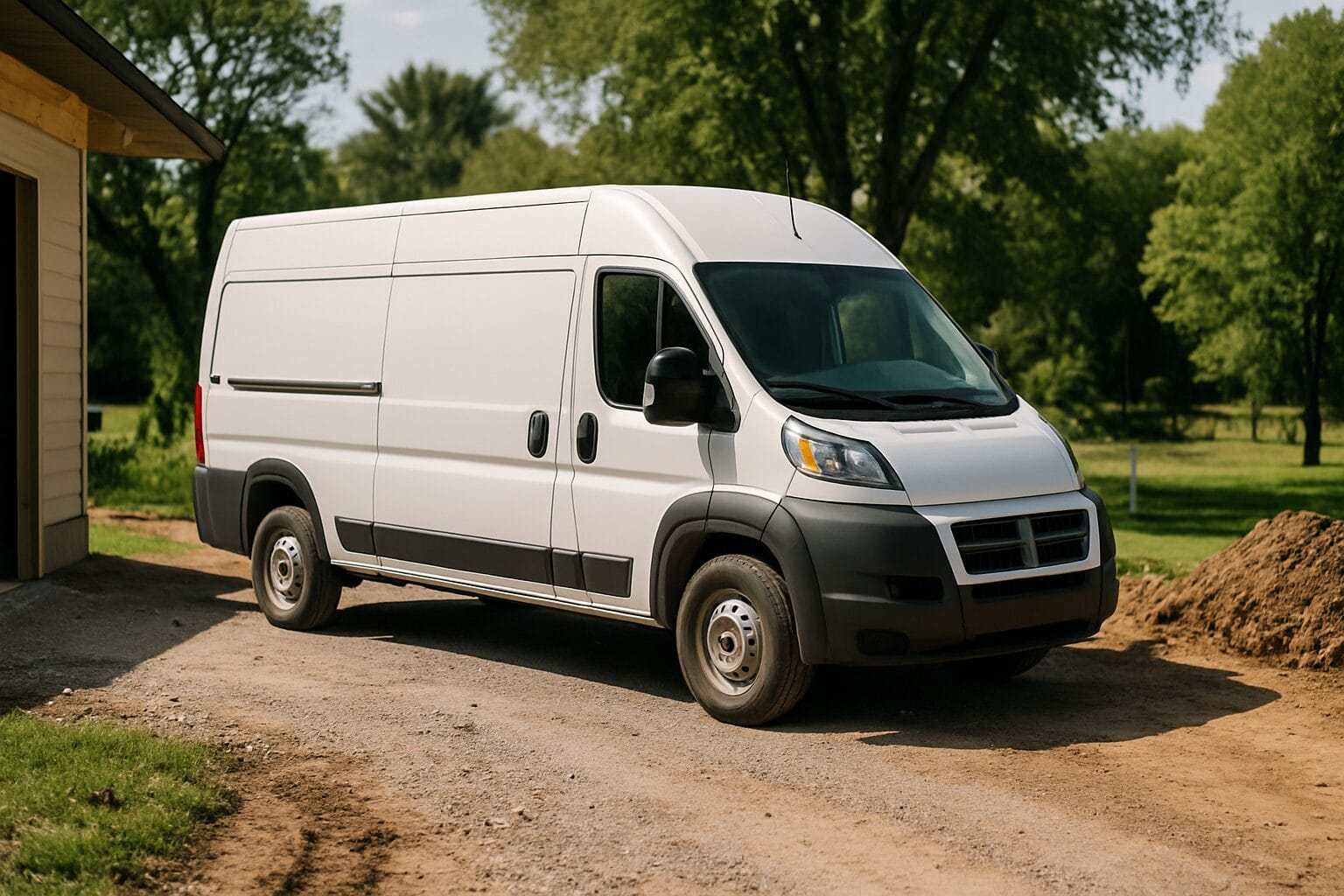
Fleet GPS tracking uses small hardware devices installed in or attached to your vehicles. Each device reports its location and other data to a central software dashboard that you and your managers can view from a computer or phone.
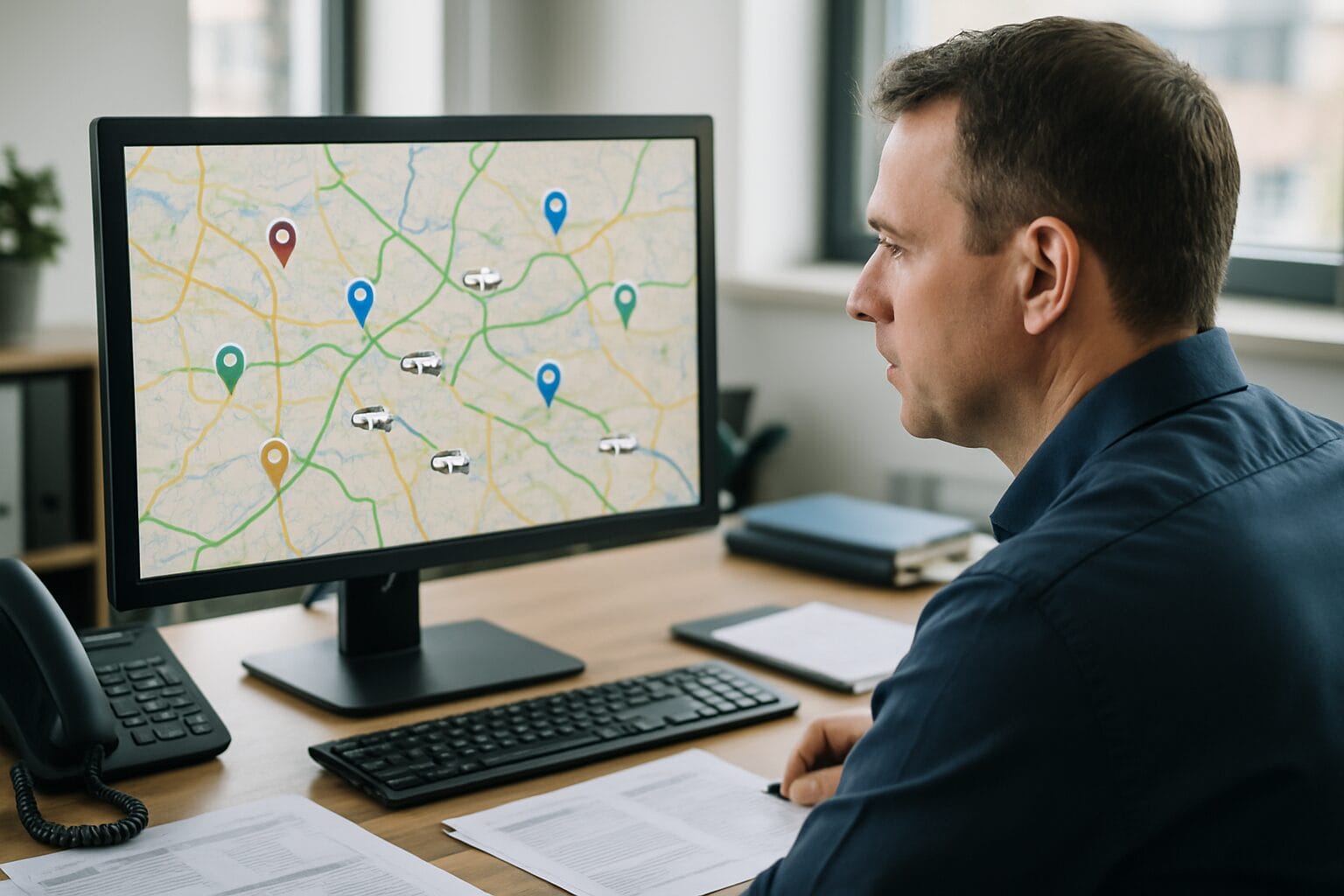
The chain is straightforward. A tracker receives signals from GPS satellites to calculate its position. It then transmits that position over a cellular network to a software platform. The platform organizes the data into maps, routes, and reports so you can see your whole fleet at a glance instead of managing one vehicle at a time.
This is different from the consumer GPS in your phone or a navigation app. A real-time GPS tracker for a car is built for one owner watching one vehicle. Business fleet telematics adds multi-vehicle dashboards, driver assignment, geofencing, historical reporting, and alerts designed for managing many assets and people at once.
The fleets that benefit most are those juggling multiple vehicles across a service area: delivery companies, HVAC and plumbing crews, construction outfits with trucks and equipment, and logistics operators moving freight on tight schedules.
The measurable benefits for your business
The point of tracking isn’t the map. It’s the money and time you get back. Here’s where the returns show up.
Fuel savings. Excessive idling, inefficient routes, and unauthorized personal use all burn fuel you’re paying for. Tracking data lets you cut idle time, tighten routing, and stop off-the-clock trips.
Route efficiency and on-time performance. When you can see live locations, dispatchers assign the closest available vehicle, reroute around delays, and give customers accurate arrival windows. That means more jobs per day and fewer missed appointments.
Theft prevention and recovery. Vehicles and equipment get stolen. A tracker gives you a live location to hand to law enforcement, dramatically improving recovery odds. This matters especially for job-site assets, as we cover in our guide to GPS tracking for construction equipment and tools.
Driver safety and accountability. Behavior data like speeding and harsh braking helps you coach drivers, reduce accident risk, and support lower insurance costs. It also settles disputes with a clear record of where a vehicle was and when.
Proactive maintenance. Tracking mileage and engine hours lets you schedule service before a breakdown instead of after. Fewer roadside failures means less downtime and longer vehicle life.
Add these up and the value isn’t a single feature. It’s a lower total cost of running your fleet.
Features that actually matter when comparing trackers
Vendor spec sheets are long on purpose. Focus on the features that map to real fleet needs:
- Device and network reliability. A tracker that drops signal or fails in the field gives you bad data, which is worse than no data. Reliability is the foundation everything else sits on.
- Battery life and installation requirements. Often overlooked, and it drives your long-term cost more than the sticker price. More on this below.
- Data security and encryption. Rarely discussed by big platforms, but it protects your drivers, routes, and customers. Also covered below.
- Real-time vs. periodic reporting. Live tracking suits dispatch-heavy operations; periodic updates can be enough for asset monitoring. Match the reporting rate to how you actually work.
- Geofencing and alerts. Get notified when a vehicle enters or leaves a job site, dealership, or restricted zone. Useful for accountability and theft alerts.
- Dashboard usability. A small team doesn’t have an IT department. The software should be clear enough that a busy manager can pull a report in a minute.
Be skeptical of feature dumps. A hundred capabilities you’ll never touch don’t beat a handful that solve your daily problems.
Why battery life is a hidden cost factor
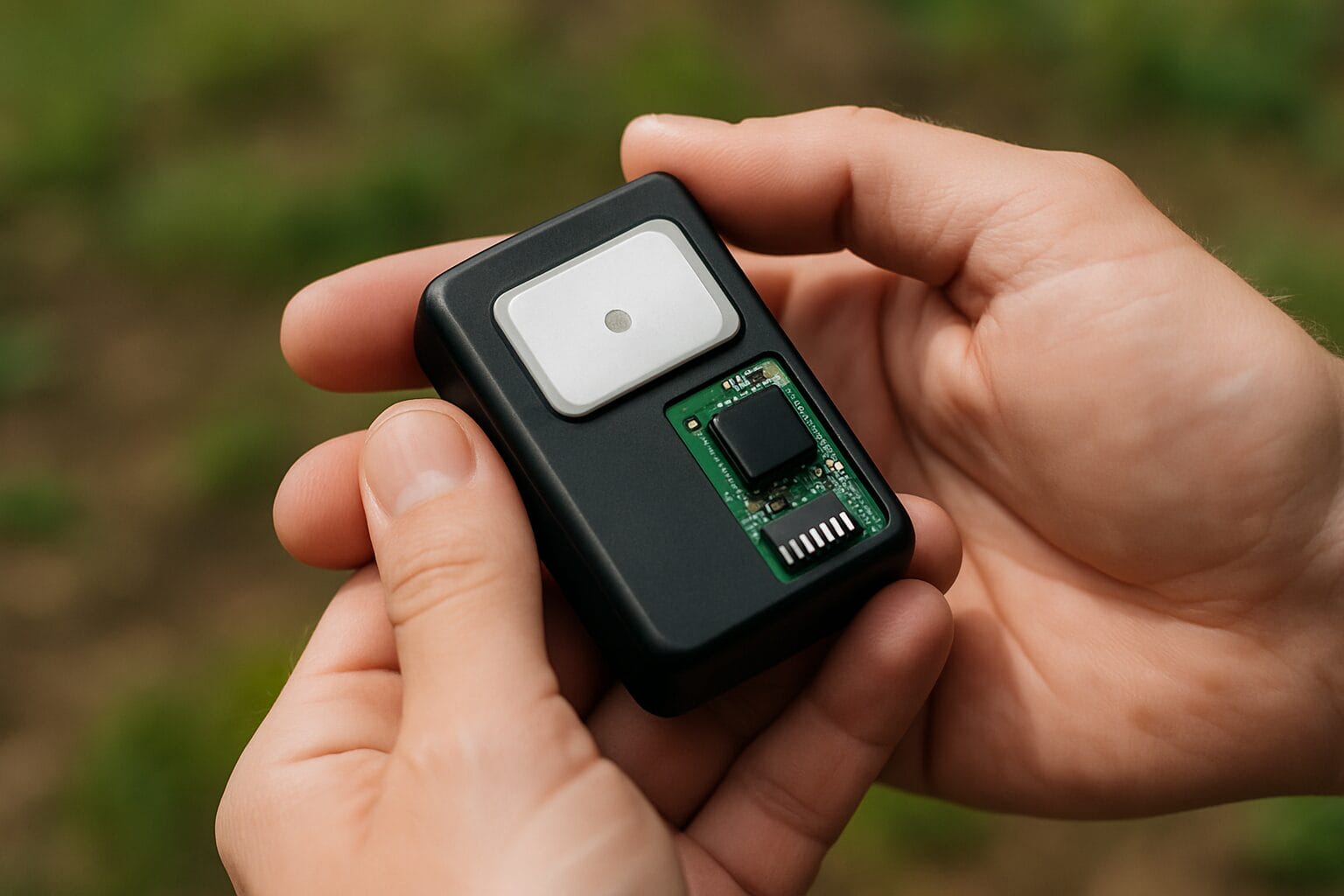
Battery life sounds like a minor spec. In practice it’s one of the biggest drivers of your total cost of ownership, and it’s exactly where cheap trackers cost you later.
Short-battery devices force a choice. Either someone recharges them on a schedule, which pulls vehicles out of service and eats labor hours, or you hardwire them, which means paying an installer for every device and every replacement. Both add recurring cost and downtime that never shows up in the advertised price.
Long-life batteries change the math. A device rated for up to 10 years of operation eliminates the recharge cycle and, for many use cases, the installer entirely. You attach it and forget it. Over a five- or ten-year fleet lifespan, that’s dozens of avoided service visits per vehicle.
Long battery life also buys flexibility. You can move a device between trucks, trailers, or pieces of equipment as your needs shift, without scheduling a technician each time. That’s especially valuable for seasonal work or growing fleets.
This is where LoneStar Tracking is built to stand out. Our devices offer up to 10-year battery life, so you spend less time maintaining the hardware and more time running your business.
Why data encryption and privacy matter
Your trackers collect sensitive information: exact routes, real-time locations, stop patterns, driver behavior, and by extension where your customers are. That data has value, and if it isn’t protected, it becomes a liability.
Unencrypted systems are exposed to interception in transit and breaches at rest. A leak could reveal your drivers’ movements, your customers’ addresses, and your operational patterns to anyone who gets access. For competitors or bad actors, that’s a roadmap to your business.
There are trust and legal dimensions too. Your drivers deserve to know their location data isn’t being handed around carelessly, and depending on where you operate, you may have obligations to protect the personal data you collect. Strong encryption is the baseline for both.
Here’s the uncomfortable truth: most large tracking platforms rarely explain how, or whether, your data is encrypted. It’s treated as a footnote. We think it should be a headline. The same concerns apply to the devices in your pocket, which we break down in our piece on how your phone quietly shares GPS data with your carrier.
LoneStar Tracking is the only provider that encrypts all of your tracking data, because protecting your fleet’s information shouldn’t be optional.
Tracker types compared: hardwired, OBD-II, and battery-powered
There’s no single best tracker. There’s the right type for each vehicle and asset in your fleet.
Hardwired trackers connect directly to a vehicle’s electrical system. They get constant power and are tamper-resistant, which makes them reliable for vehicles you own long-term. The tradeoff is professional installation, which adds cost and time per unit. Best for permanent installs on owned fleet vehicles.
OBD-II trackers plug into the diagnostic port found on most modern vehicles. They’re plug-and-play, install in seconds, and pull vehicle data along with location. The downsides: they only work on vehicles with an accessible port, and because they plug in, a driver can unplug them. Good for cars and light trucks where easy setup and quick swaps matter.
Battery-powered trackers need no wiring at all. That makes them the only option for trailers, containers, generators, and equipment that has no consistent power source, and it’s where long battery life becomes essential. When a device runs for years on its own power, you get the reliability of a fixed install with none of the wiring.
For a delivery or service fleet of owned vans, hardwired or OBD-II units often make sense. A construction operation with mixed trucks, trailers, and unpowered equipment usually needs battery-powered trackers for the assets and hardwired or OBD-II for the vehicles. A mixed fleet typically uses a combination, which is why choosing a provider that supports all three matters.
What fleet GPS tracking costs and how to budget
Fleet tracking cost generally comes from three components: the hardware itself, a monthly software or data subscription per device, and installation if the device needs it.
The mistake is judging a system on upfront price alone. A cheap device with a short battery and required hardwiring can cost far more over its life than a pricier unit that runs for years untouched. Every recharge, every replacement, every installer visit is a line item that recurring on a low-battery device.
Budget around total cost of ownership instead. Estimate the per-vehicle cost across a realistic multi-year period, and include hardware, subscription, installation, and expected service or replacement. When you compare providers on that basis, long battery life and reliable hardware often win even when the initial number looks higher.
Prices change and vary by fleet size and configuration, so rather than quoting figures that may be out of date, we recommend requesting current pricing directly. Ask each vendor for a per-vehicle, multi-year estimate so you’re comparing the same thing.
How to choose a provider and get started
Use a short checklist when you evaluate vendors:
- Reliability of the device and network in real-world conditions
- Battery life and what it means for service costs
- Data encryption to protect your fleet and customer information
- Dashboard fit for the size and skill of your team
- Support you can actually reach when something breaks
- Contract terms that don’t lock you into more than you need
Next, match tracker types to your actual vehicles and assets. List what you’re tracking, note which have OBD-II ports or constant power, and identify the unpowered assets that need battery devices.
Then start small. Run a pilot on a handful of vehicles for a few weeks. You’ll confirm the data is accurate, the dashboard works for your team, and the reports answer your questions before you commit the whole fleet.
LoneStar Tracking is built for reliability- and privacy-focused fleets: hardware with up to 10-year battery life, fully encrypted data, and support for hardwired, OBD-II, and battery-powered devices. If that fits how you run your business, contact LoneStar Tracking to talk through your fleet and request current pricing.
Frequently asked questions
How does fleet GPS tracking reduce fuel and operating costs?
It cuts fuel waste from idling, inefficient routing, and unauthorized vehicle use, and it improves route planning so drivers complete more jobs per shift. Combined with proactive maintenance scheduling and fewer breakdowns, these savings add up to a lower total operating cost over time.
How long do fleet GPS tracker batteries actually last?
It depends on the device and how often it reports. Many trackers require frequent recharging or hardwiring, but long-life options are available. LoneStar Tracking devices offer up to 10 years of battery life, which eliminates recurring recharge and installation service visits.
Is my fleet’s location and driver data secure with GPS tracking?
Only if the provider encrypts it. Many platforms don’t emphasize encryption, which leaves route, location, and driver data exposed to interception or breaches. LoneStar Tracking encrypts all tracking data, so your fleet’s information stays protected in transit and at rest.
Which tracker type is best for a small mixed fleet?
Usually a combination. Hardwired or OBD-II trackers work well for owned vans and trucks, while battery-powered devices cover trailers, equipment, and other unpowered assets. Choose a provider that supports all three so you can match the right device to each part of your fleet.
How much should a small business budget for fleet GPS tracking?
Budget for hardware, a monthly per-device subscription, and any installation, then evaluate that total across several years rather than on upfront price alone. Long battery life and reliable hardware lower long-term service costs. Request current per-vehicle pricing from providers to build an accurate multi-year estimate.