GPS tracking for classic and collector cars in storage: theft protection during the off-season
GPS tracker for classic car: how to protect a collectible that sits in storage
A classic car isn’t just transportation. It’s an investment, a restoration project you poured years into, and often a vehicle that can’t be replaced at any price. Yet most GPS tracking advice treats a 1967 Mustang exactly like a commuter sedan. It isn’t the same problem. A daily driver runs constantly and rarely sits still; a collector car might not move for six months at a stretch, then travel by trailer to a show hundreds of miles away.
That difference changes everything about what makes a good GPS tracker for a classic car. This guide covers why collector vehicles need tracking more than daily drivers, the features that actually matter for cars in storage, how to hide a tracker without touching original bodywork, and how encrypted data keeps a stolen car’s location and your personal details out of the wrong hands.
Why classic cars need GPS tracking more than daily drivers
Classic and collector cars are high-value and frequently irreplaceable, which makes them prime theft targets. A thief who steals a common late-model car is looking at modest resale value. A thief who takes a rare muscle car, a vintage European roadster, or a restored pickup is looking at a payday that can reach six figures.
The bigger vulnerability is that these cars sit unused. Many collectors store their vehicles for months at a time in a garage, a storage unit, or a leased warehouse space. If someone breaks in and rolls the car onto a trailer, there may be no one around to notice for weeks. By the time the theft is discovered, the trail is cold.
Stolen classics don’t always stay whole, either. Rare parts carry enormous value on their own, so cars are frequently broken down for resale, shipped overseas, or sent to chop shops. Whole-car theft for export is a real risk for the most desirable models.
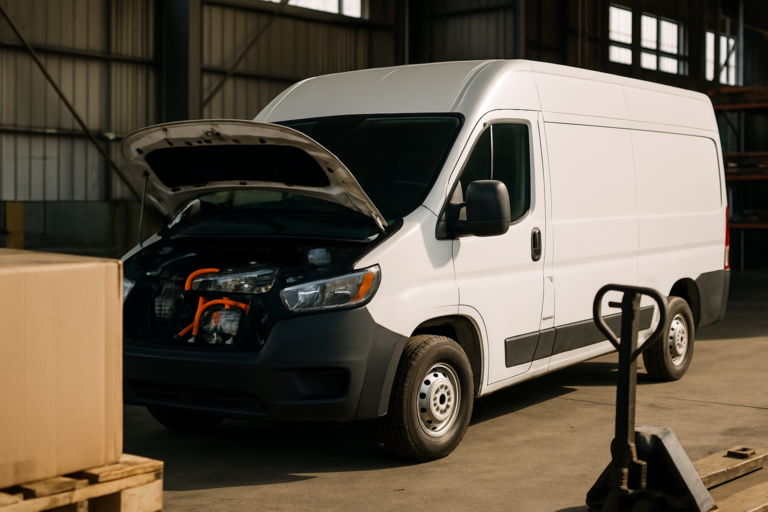
Even outside of storage, collector cars pass through vulnerable moments daily drivers rarely face: loading onto transport trailers, sitting at auction lots, waiting outside a restoration shop, or parked at a weekend show among crowds. Each of these is a chance for a car to disappear.
A vintage vehicle has none of the factory anti-theft technology that comes standard in modern cars. A GPS tracker fills that gap, giving you a recovery path and the peace of mind that you’ll know immediately if your car moves when it shouldn’t.
How a classic car tracker differs from a daily-driver tracker
The trackers marketed for everyday vehicles are often hardwired units that draw power continuously from the car’s electrical system. That works fine when the engine runs regularly and keeps the battery charged. It’s a poor fit for a stored classic.
A collector car needs a tracker with ultra-long battery life so it keeps working after months of sitting untouched. It should mount discreetly without altering original components, because preserving factory originality protects the car’s value. For a stored vehicle, periodic reporting usually beats constant real-time transmission, since checking in a few times a day conserves power for the long haul. And the tracker has to coexist with vintage or minimal electrical systems without interference.
If you want a deeper comparison of the two power approaches, our guide on hardwired vs. battery-powered GPS trackers breaks down the tradeoffs for any vehicle or asset.
Key features to look for in a GPS tracker for a classic car
Generic “best GPS tracker” roundups rarely account for how a collector car is actually used. Below are the features that genuinely matter when the vehicle spends most of its life parked and only occasionally hits the road.
Battery life for cars that sit for months
Battery life is the single most important spec for a stored classic. Look for a self-contained, battery-powered tracker with multi-year life — the best units run up to 10 years on a single internal battery. That means a car can sit through an entire winter, or several, and the tracker keeps reporting the whole time.
Long battery life removes the biggest hassle of tracking a stored car: you don’t have to remember to remove and recharge the device between drives. It also means you’re not relying on the vehicle’s own battery, which collectors often disconnect or keep on a trickle charger during storage. Choosing longer intervals between location reports stretches battery life even further, which is exactly what you want for a car that isn’t moving.
Size and discreet placement
A compact tracker is easier to hide and far less likely to be discovered by a thief who knows to look for one. A small footprint also lets you tuck the unit into an existing cavity without altering original bodywork or fabricating a mount. On a car where every original panel and bracket carries value, a device you can place and forget without cutting or drilling is the only reasonable choice.
Hardwired vs. battery-powered
Hardwired trackers tap the vehicle’s power, which sounds convenient until you consider a stored classic. A hardwired unit slowly drains a parked car’s battery and requires splicing into original wiring — a non-starter for owners who want to keep the electrical system factory-correct.
Battery-powered units are self-contained and non-invasive. Nothing connects to the car, nothing draws from its battery, and nothing needs to be wired into fragile vintage systems. For collector cars, battery power almost always wins.
Real-time vs. periodic reporting
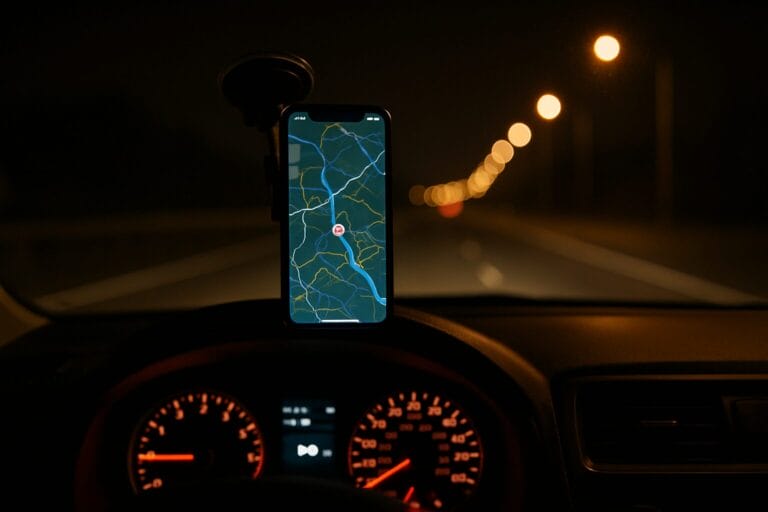
Real-time tracking updates location continuously, which is valuable during transport, a drive, or an active theft in progress. The tradeoff is battery consumption. Periodic check-ins — a handful of updates per day — conserve power dramatically, which is ideal for long storage.
The best approach is a tracker with adjustable reporting so you can match the car’s activity: infrequent check-ins while it’s parked, and more frequent updates when it’s on the move. If constant live location is a priority for your driving season, our guide to a real-time GPS tracker for your car explains how live tracking works.
Data encryption and privacy
Where a valuable car is located is sensitive information. If tracking data isn’t encrypted, a stolen car’s whereabouts — and the owner details tied to the account — could be intercepted. That’s the last thing you want when a professional theft ring is involved.
Encrypted data keeps your car’s location and your personal information private, so the only person who can see where the car is stays you. LoneStar Tracking encrypts all tracking data as both a privacy measure and a theft safeguard. If you’re curious how location data can leak in the first place, our article on how your phone quietly shares GPS data with your carrier explains why encryption matters.
Where to hide a GPS tracker on a classic car without altering it
The goal is a non-invasive spot that requires no drilling, cutting, or permanent modification. Because a good battery-powered tracker is fully self-contained, you have plenty of options.
Common concealment areas include:
- Under the seats
- Inside trunk trim panels
- The glovebox or behind it
- The spare tire well
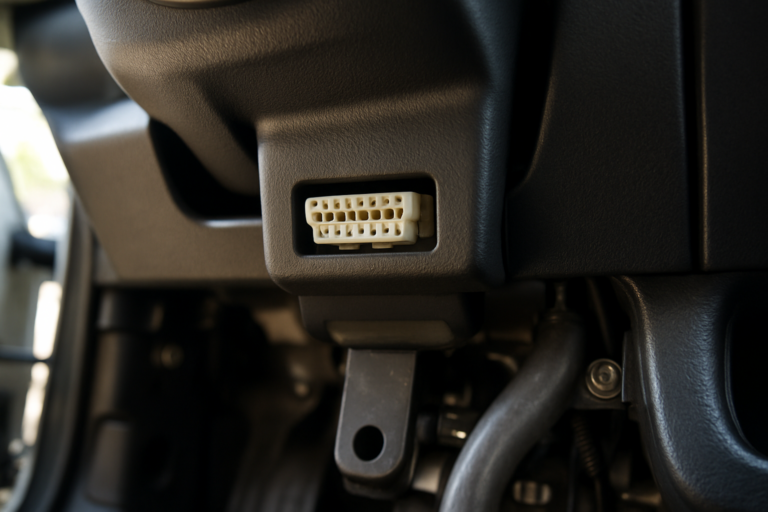
- Under the dash
Magnetic mounts and existing hidden cavities let you secure the unit without touching original components. Two practical rules: avoid fully enclosed metal boxes that block the GPS signal, and keep the tracker accessible enough that you can check or replace it without disassembling the interior. A spot that’s hidden from a thief but reachable by you strikes the right balance.
Will a tracker drain the battery or interfere with vintage electronics?
This is a common worry, and with the right device the answer is no. A self-contained, battery-powered tracker draws no power from the car at all. It runs entirely on its own internal battery, so it can’t flatten a stored vehicle’s battery the way a hardwired unit can.
Because nothing wires into the car, there’s no risk to fragile vintage electrical systems — no splicing, no added load, no chance of a short introduced by aftermarket wiring. The tracker operates independently, so interference risk is minimal. That independence makes battery-powered units especially well suited to cars kept on trickle chargers or with the battery disconnected entirely during storage.
Theft recovery, insurance, and transport protection
If the worst happens, fast, accurate location data gives police a real chance to recover a stolen classic before it’s parted out or shipped. Every hour counts, and a tracker turns a hopeless report into an actionable location.
Geofence and movement alerts add a layer of prevention. Set a boundary around your storage location, and you’ll get an alert the moment the car crosses it — whether that’s a thief loading it up or an unauthorized move at a shop. The same alerts confirm a car stays put during storage and arrives as expected when it’s transported.
Many insurers view tracking favorably, and a tracker may support a discount or strengthen a theft claim. Treat that as general guidance and confirm the specifics with your own insurer, since collector-car policies vary. The RV world faces the same storage-and-transport risks; our GPS tracking guide for motorhomes and RVs covers similar theft and off-season scenarios.
Choosing a tracker for cars that travel to shows and auctions
When your car leaves home for a show or auction, tracking priorities shift. Look for reliable coverage across the regions the car will travel through, so you’re not blind the moment it crosses a state line. Movement and geofence alerts matter most here — you want to know immediately if the car leaves the trailer or the venue without your say-so.
Switch the tracker to more frequent reporting during transit so you can watch progress in near real time, then dial it back down when the car returns to storage. And keep the unit durable and discreet, since it needs to stay hidden while your car sits on display in front of crowds and potential buyers.
Installing and maintaining your tracker
One advantage of a battery-powered tracker is that installation is a genuine do-it-yourself job. Pick a hidden spot that’s friendly to GPS signal — away from large metal enclosures — and secure the unit. There’s no wiring, so there’s nothing to splice or fuse.
Before you store the car, test the signal and confirm the tracker is reporting correctly and that your alerts are set up. Then, a few times a year, do a quick check: verify it’s still reporting, update your geofence or alert settings if your plans change, and confirm the placement hasn’t shifted. Thanks to multi-year battery life, that’s about all the maintenance a good tracker needs.
Frequently asked questions
How long will a GPS tracker last on a classic car that sits in storage?
A quality battery-powered tracker can run for years on a single internal battery — up to 10 years with the longest-life units — especially when you set longer intervals between location reports. That means a car can sit through multiple storage seasons without you ever touching the device.
Do I need to hardwire a GPS tracker into my classic car?
No. For a collector car, a self-contained battery-powered tracker is usually the better choice. It draws no power from the vehicle, requires no splicing into original wiring, and won’t drain a stored car’s battery — all of which protect both the car’s originality and its electrical system.
Where is the best place to hide a GPS tracker on a collector car?
Choose a concealed, non-invasive spot with a clear path to the sky for the GPS signal — under a seat, inside trunk trim, behind the glovebox, in the spare tire well, or under the dash. Avoid fully enclosed metal compartments that block the signal, and keep it reachable enough that you can check it without major disassembly.
Will a GPS tracker drain my classic car’s battery?
A battery-powered tracker won’t, because it runs entirely on its own internal power and never taps the car’s electrical system. That makes it ideal for cars stored with the battery disconnected or on a trickle charger.
How does data encryption protect a stolen classic car?
Encryption keeps your car’s location and your account details private so they can’t be intercepted. If the car is stolen, only you can see where it is, which protects both the recovery effort and your personal information. LoneStar Tracking encrypts all tracking data for exactly this reason.